
How Motion Sensors Enhance Home Protection
Ensuring the safety of your home, family, and valued possessions is a top priority for any homeowner. As residential security systems evolve, relying solely on traditional locks or static door latches is no longer sufficient against modern security threats. Property crimes, opportunistic break-ins, and unauthorized trespassing require a more proactive, real-time defense strategy.
This is where motion sensors play an important role. As the core eyes and ears of smart security devices for modern homes, motion detection systems provide immediate awareness of any unusual activity on your property.
What Are Smart Motion Sensors?
At their core, motion sensors are electronic devices designed to detect physical movement within a designated zone. When activated, the sensor sends an immediate signal to your central alarm panel, smart hub, or mobile device, triggering actions such as sounding a siren, turning on floodlights, or sending an instant smartphone alert.
Modern residential motion detectors utilize advanced home security technology to differentiate between routine household movement and actual security threats, drastically reducing false alarms.
Types of Home Motion Sensors
- Passive Infrared (PIR): The most widely used sensor in residential security. PIR sensors detect body heat (infrared energy). When a person or warm object moves across the sensor’s field of view, it registers the sudden change in thermal energy and triggers an alert.
- Microwave Sensors: These devices emit continuous microwave pulses and measure the reflection off moving objects. They cover larger areas than PIR sensors and can detect motion through thin walls or barriers.
- Dual-Technology Sensors: Combining both PIR and microwave technologies, dual-tech sensors require both infrared thermal changes and microwave pulse disruptions to trigger an alarm. This dual-verification design makes them virtually immune to false alarms caused by HVAC drafts or minor environmental shifts.
- Area Reflective & Ultrasonic Sensors: Often used in specialized entryways, these sensors bounce light or sound waves off nearby surfaces to detect subtle disruptions in a designated zone.
5 Ways Motion Sensors Upgrade Your Home Security
1. Instant Intrusion Detection and Real-Time Alerts
The primary benefit of smart motion sensors for home security is immediate threat detection. Traditional door and window contact sensors only alert you after an opening has been compromised. In contrast, motion detectors monitor entire rooms, hallways, and open spaces simultaneously.
If an intruder manages to bypass a door lock or breach a window, interior motion sensors detect their presence the moment they step into a living space, triggering immediate mobile notifications and active alarm sirens.
2. Proactive Perimeter Protection
Motion detection isn’t limited to indoor spaces. When connected to exterior floodlights or security cameras, these sensors automatically illuminate dark areas and begin recording as soon as someone approaches your property.
Exposing an intruder before they reach your front door removes the advantage of concealment and often discourages them from proceeding further. Integrated with advanced home security technology, outdoor motion sensors provide real-time alerts and give homeowners greater visibility and control over their property’s security.
3. Seamless Smart Home Automation Integration
As part of an ecosystem of smart security devices for modern homes, motion sensors do far more than just sound alarms. They serve as trigger points for interconnected automation systems:
- Automated Lighting: Configure motion sensors to switch on entryway and hallway lights automatically when movement is detected at night, illuminating pathways for your family while startling unexpected visitors.
- Camera Activation: Link motion sensors directly to outdoor security cameras. Rather than recording hours of empty video footage, cameras can be programmed to start recording and broadcasting a live stream the second physical motion is detected.
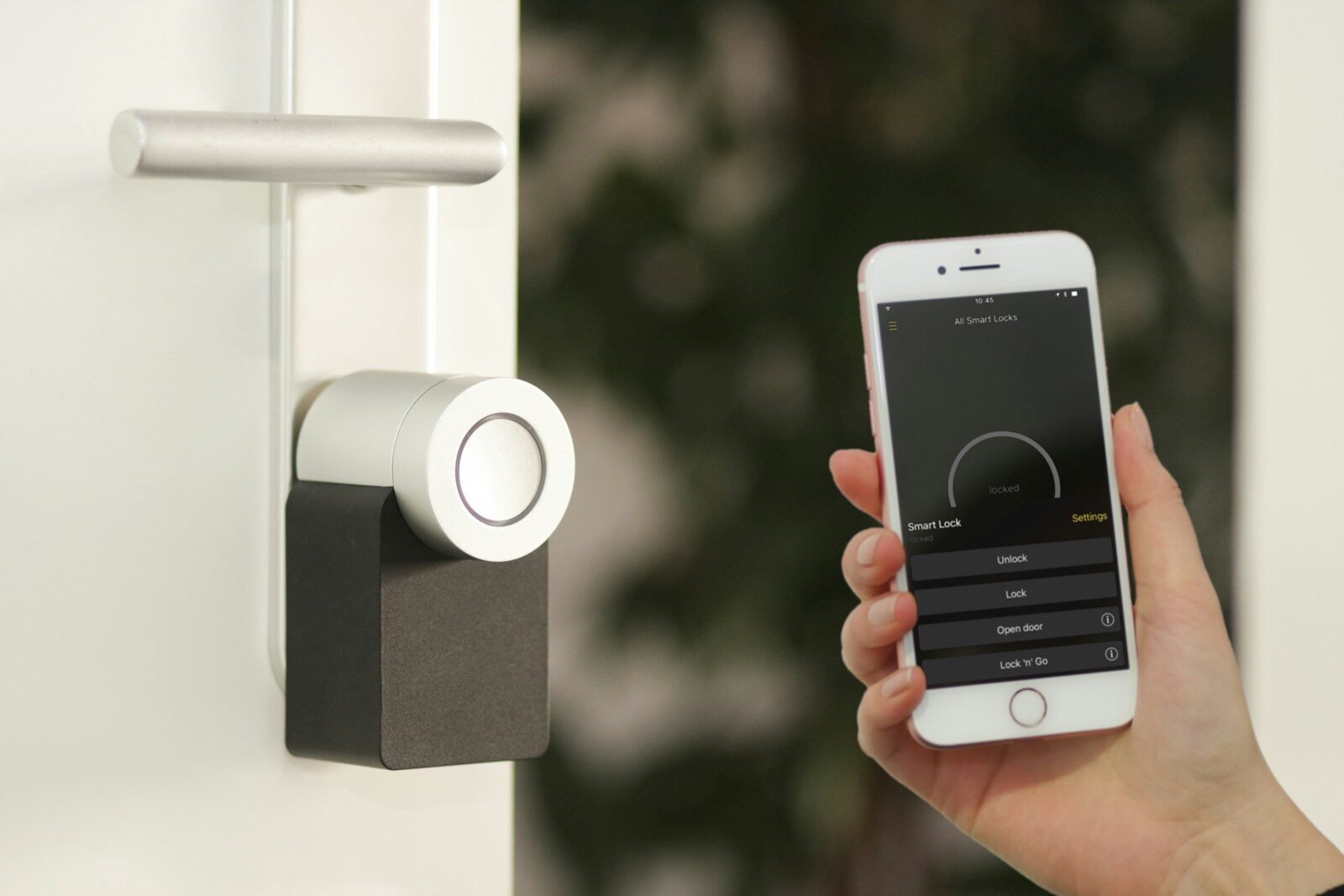
- Smart Lock Integration: Trigger automatic door locks across your home if unexpected perimeter motion is registered during sleeping hours.
4. Energy Efficiency and Daily Convenience
While their primary focus is safety, smart motion sensors for home security add incredible convenience and energy savings to daily household routines. Smart lighting sensors ensure that lamps, outdoor lights, and basement fixtures turn off automatically when rooms remain empty for a set period. This lowers electricity bills while maintaining an active, occupied appearance across your property even when you are away on vacation.
5. Cost-Effective Full-Coverage Protection
Fitting every single window, glass pane, and door in a multi-story home with individual contact sensors can quickly become expensive. Strategic placement of a few high-range motion detectors, such as in main hallways, stairwells, and central living areas. It allows you to cover large square-footage areas cost-effectively.
Modern Features to Look For
When upgrading your home protection, select sensors equipped with advanced home security technology:
- Pet Immunity: Advanced PIR sensors filter out signatures from pets weighing up to 40 or 80 pounds, preventing your dog or cat from triggering middle-of-the-night alarms.
- Wireless & Long Battery Life: Modern Wi-Fi and Zigbee motion sensors offer easy, drill-free installation with long-lasting battery life (often 2 to 3 years), ensuring continuous protection during power outages.
- Tamper Protection: Built-in tamper switches alert your mobile app instantly if an intruder attempts to remove, cover, or disable a sensor unit.
Conclusion
Integrating smart motion sensors for home security transforms passive security into an active, intelligent defense network. By combining perimeter deterrence, automated response triggers, and real-time mobile notifications, motion detection ensures your property remains protected around the clock.
For peace of mind, pairing cutting-edge smart hardware with professional security expertise is the ultimate solution. Black Panther Security offers premier, end-to-end security solutions designed to protect your home, family, and assets.
Frequently Asked Questions (FAQs)
1. How do pet-immune motion sensors prevent false alarms?
Smart motion sensors use advanced Passive Infrared (PIR) technology to differentiate between humans and animals. They analyze the combination of thermal mass and height; most pet-immune sensors ignore signals created by pets, allowing your domestic pets to roam freely without setting off your alarm.
2. What is the difference between indoor and outdoor motion sensors?
Outdoor motion sensors are built with weatherproof enclosures to withstand rain, extreme temperatures, and UV exposure. They also feature dual-technology detection to filter out natural environmental disruptions like passing wildlife or blowing leaves. Indoor sensors are smaller and designed for climate-controlled indoor rooms.
3. Where is the best place to install motion sensors in a home?
The best locations are high up on walls (6 to 8 feet) in the corners of main rooms, central hallways, and stairwells. Placing them in corners gives them the widest field of view. You should avoid installing motion sensors directly facing heat sources like radiators, fireplaces, or sunny windows to prevent false thermal triggers.
4. Do smart motion sensors work during a power outage or internet failure?
Yes. Most modern wireless motion sensors run on long-lasting lithium batteries that operate independently of your home’s main electrical grid. If your central smart security hub features cellular backup and battery power, your motion sensors will continue detecting movement and reporting alerts.
5. Why should I choose Black Panther Security for my home protection needs?
Black Panther Security delivers professional-grade security solutions for your property. By pairing advanced smart security technology with expert threat assessments, Black Panther Security ensures your home and family receive reliable protection.