Close Protection or Bodyguard: Which Costs More?
When individuals, corporate executives, high-net-worth families, or visiting dignitaries seek personal security, two terms frequently surface: bodyguards and close protection officers (CPOs). While people often use these terms interchangeably in casual conversation, they represent distinct levels of risk management, operational preparation, and tactical skill sets.
Understanding the differences between Close Protection vs Bodyguard services is essential when budgeting for your security needs. Because their operational scope, training standards, and risk assessment requirements differ significantly, their pricing structures vary as well.
This guide explores the differences between these two roles, outlines the factors driving their rates, and explains which option fits your security budget when looking to hire Close Protection Services or traditional bodyguards.
Understanding the Fundamental Differences
To understand why one service costs more than the other, it helps to look at the differences in how each role operates on a daily basis.
The Role of a Bodyguard
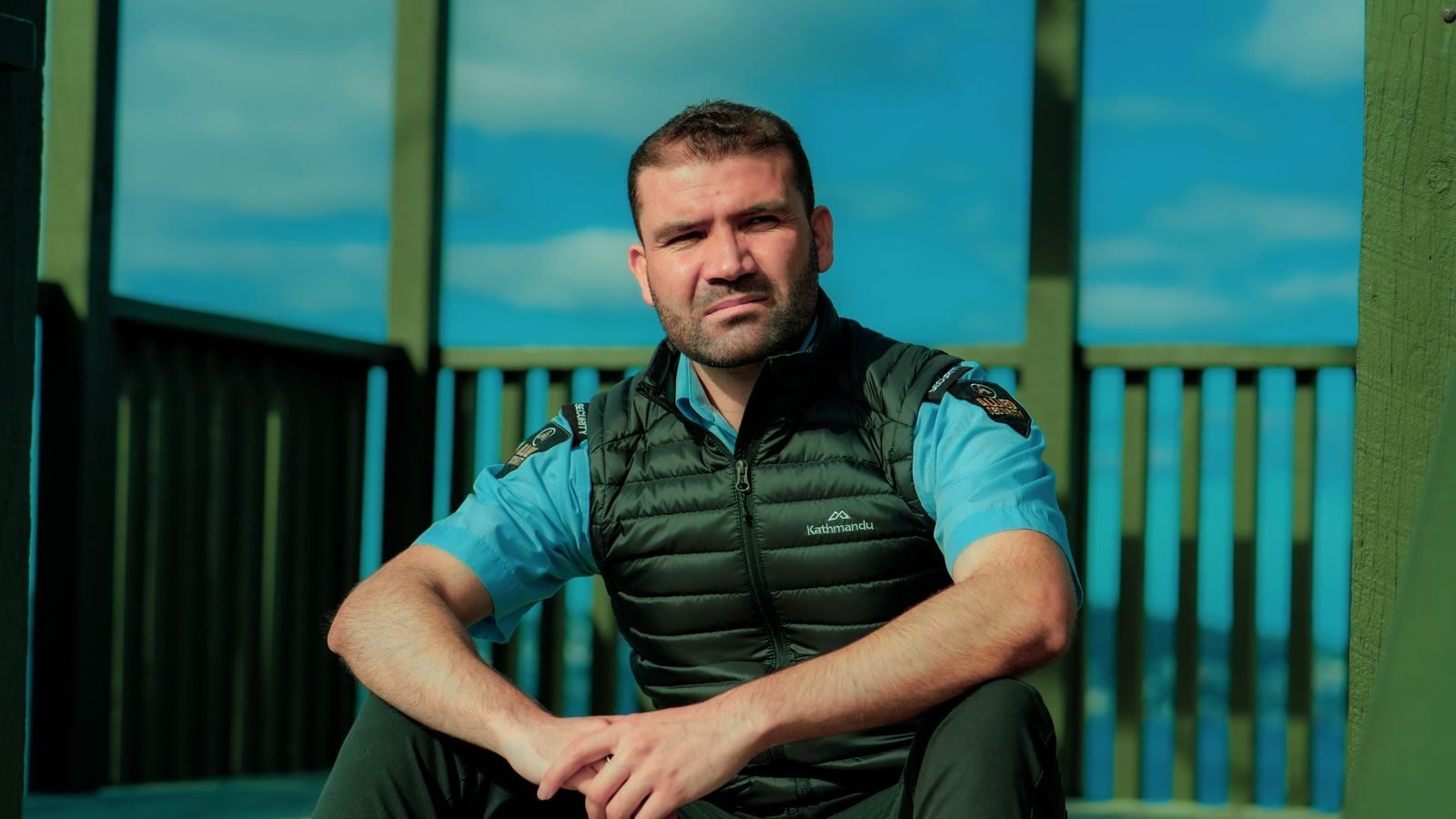
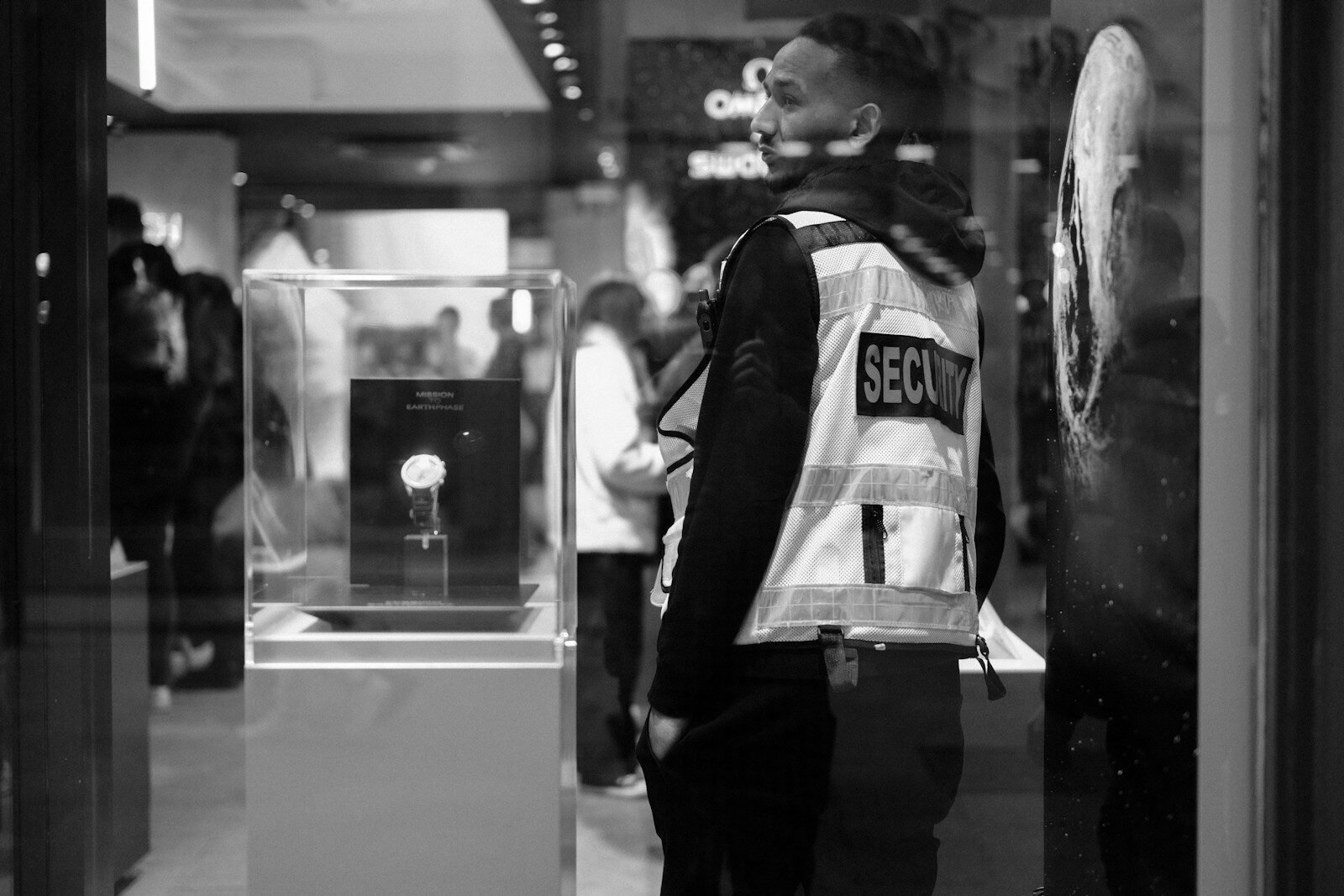
A bodyguard primarily provides physical deterrence and immediate reaction. They are visible security figures whose primary job is to deter potential aggressors, manage physical space around an individual, and react quickly if a physical confrontation or security incident occurs. Standard bodyguards focus heavily on physical presence, basic access control, and immediate physical defense.
The Role of a Close Protection Officer (CPO)
A close protection officer offers a comprehensive, highly strategic approach to personal defense. CPOs do not simply react to threats; they focus on pre-planning, detailed risk mitigation, advance venue reconnaissance, secure route planning, and discreet operational integration. Professional Bodyguard Services that specialize in close protection prioritize preventing threats long before an incident can manifest.
Comparing Financial Costs: Close Protection vs Bodyguard
When comparing pricing, close protection services generally command higher hourly, daily, and retainer fees than standard bodyguard services.
Average Pricing Dynamics
- Standard Bodyguard Rates: Traditional bodyguard services generally cost less because the role focuses primarily on physical presence and immediate tactical reaction without extensive pre-operational planning.
- Close Protection Officer Rates: Close protection services cost significantly more due to the specialized skills, extensive background credentials (such as military or law enforcement backgrounds), advanced advance work, and high-level risk management involved.
Why Close Protection Costs More
Several key factors explain why seeking high-end Personal protection through close protection commands premium rates:
- Advance Reconnaissance and Planning: CPOs spend unpaid or billable hours before an event surveying locations, analyzing emergency exit routes, identifying local trauma hospitals, and coordinating with venue security teams.
- Higher Training and Certification Standards: CPOs usually undergo advanced training in high-speed defensive driving, tactical medicine, behavioral threat assessment, counter-surveillance, and international security protocols.
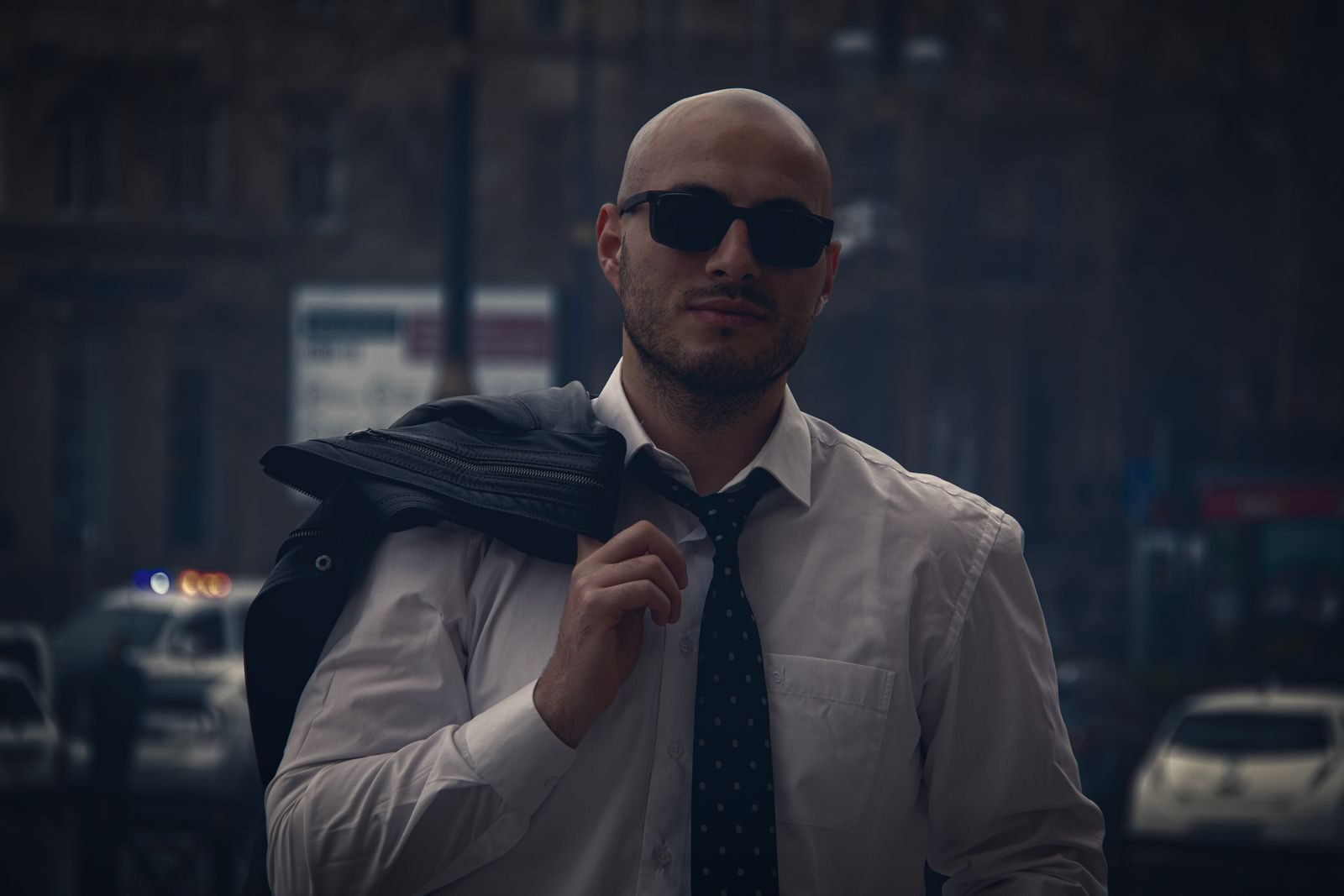
- Discreet Operational Capabilities: While traditional bodyguards rely on high visibility, CPOs are trained to blend seamlessly into high-profile executive, diplomatic, or formal social environments without drawing unwanted public attention.
Factors That Influence Overall Protection Costs
Whether you hire a traditional bodyguard or a full close protection team, several operational variables will affect your overall security investment:
- Threat Level and Risk Profile: High-threat situations requiring armored vehicles, counter-surveillance teams, or multi-guard details naturally cost more than low-threat personal escort duties.
- Travel and International Logistics: Overseas travel, emergency passport coordination, foreign language capabilities, and specialized transit equipment increase overall expenses.
- Team Size and Operational Hours: A single bodyguard working an 8-hour shift costs vastly less than a 24/7 close protection detail utilizing rotating shifts, residential security teams, and advance drivers.
- Vehicle and Equipment Integration: Utilizing armored SUVs, specialized communication suites, and trauma medical gear adds equipment fees to standard staffing costs.
Which Option Fits Your Specific Security Needs?
Choosing between these two services comes down to evaluating your actual risk exposure, budget constraints, and operational goals.
When to Hire Standard Bodyguards
- Managing crowd control and access for high-visibility public appearances or nightlife events.
- Temporary physical deterrence for basic transit or short-term personal errands.
- High-visibility presence meant to deter aggressive fans, paparazzi, or general onlookers.
When to Hire Close Protection Services
- Executive protection for corporate CEOs, board members, or high-net-worth investors facing specific corporate threats.
- International travel to high-risk regions or complex geopolitical environments.
- Continuous Personal protection for high-profile figures who require discreet, low-profile safety without disrupting their daily public image.
Security Selection Checklist
Use this quick checklist to determine which security level aligns with your needs:
- Assess whether your threat level requires high-visibility physical deterrence or low-profile threat prevention.
- Determine if your itinerary requires advance site visits, secure route planning, and hospital coordination.
- Evaluate if your security team needs advanced skills, such as defensive driving or trauma medical response.
- Establish whether you need a single security officer for short hours or a full team for 24/7 coverage.
- Compare transparent rate quotes from licensed security agencies to align your choice with your budget.
Conclusion
When evaluating Close Protection vs Bodyguard options, close protection consistently carries a higher price tag due to the advanced preparation, specialized skill sets, and proactive risk management involved.
While traditional bodyguards offer an effective, budget-friendly solution for short-term physical deterrence and crowd control, investing in full close protection is essential when managing complex threat profiles, high-profile travel, or sensitive corporate assignments.
Evaluating your personal risk level and operational requirements ensures you select the right Personal protection strategy, balancing total security with a clear understanding of your overall budget.
Frequently Asked Questions (FAQs)
1. Why does close protection cost more than standard bodyguard services?
Close protection costs more because officers undergo advanced training in threat analysis, advance site planning, defensive driving, and crisis medicine, providing a comprehensive risk mitigation strategy beyond basic physical deterrence.
2. Can a single individual hire close protection services for travel?
Yes. Close protection officers frequently travel with individual clients, business executives, or families to manage transit logistics, airport arrivals, hotel security, and emergency evacuation plans in unfamiliar locations.
3. What is the main difference between close protection vs bodyguard work?
The primary difference lies in strategy and planning. Bodyguards generally focus on visible physical deterrence and direct reaction, whereas close protection officers focus on advance reconnaissance, threat prevention, and discreet risk management.
4. How are professional bodyguard services billed?
Security agencies typically bill by the hour, by the day (for full 8-to-12-hour shifts), or through monthly retainers for ongoing 24/7 security coverage, with additional costs for vehicles and travel expenses.
5. Do close protection officers wear uniforms?
Close protection officers typically wear business attire (suits) or casual clothing that matches their client’s environment, allowing them to remain discreet and blend into executive, social, or private settings.