
What Does a Protective Security Officer Really Do?
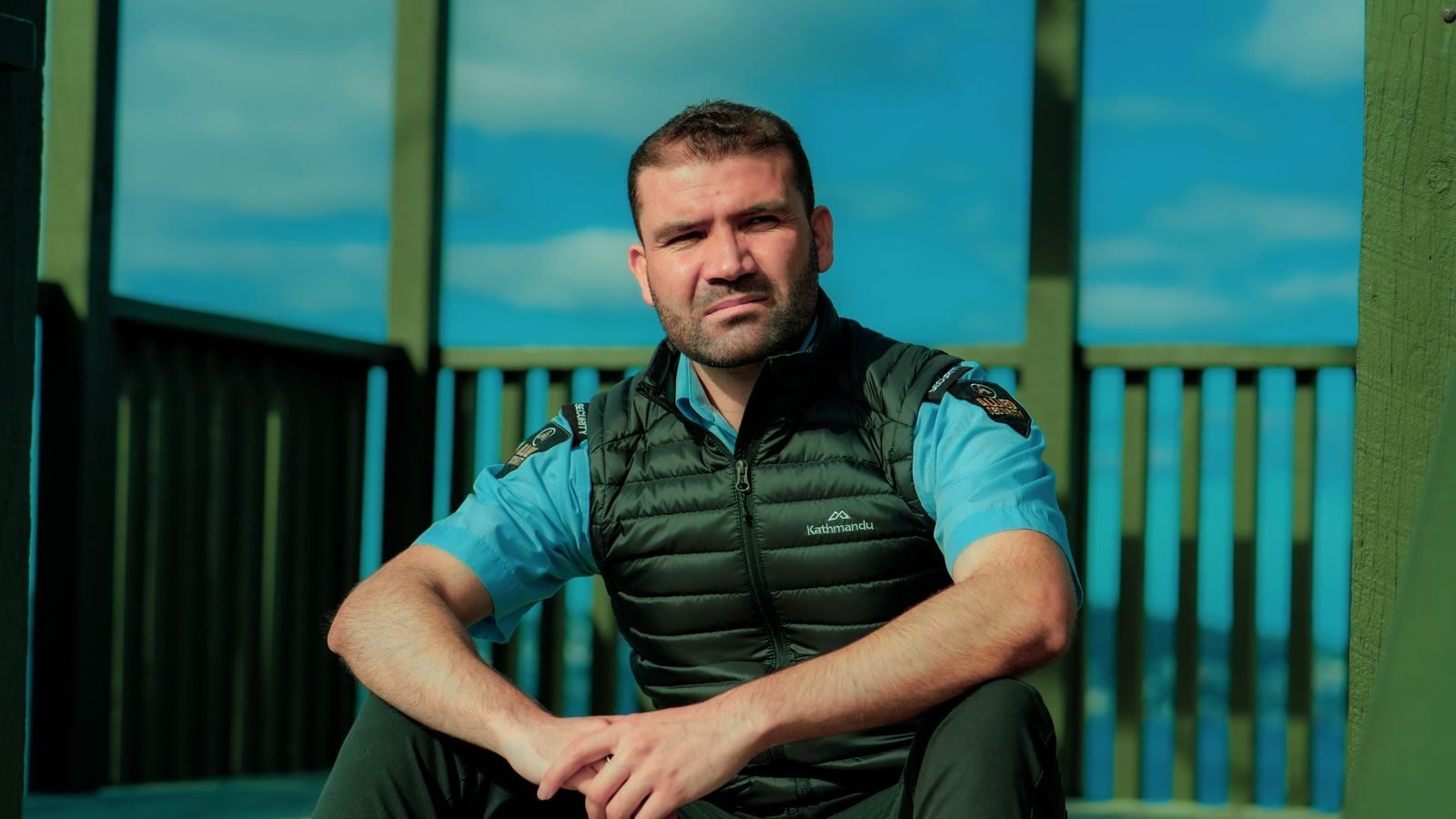
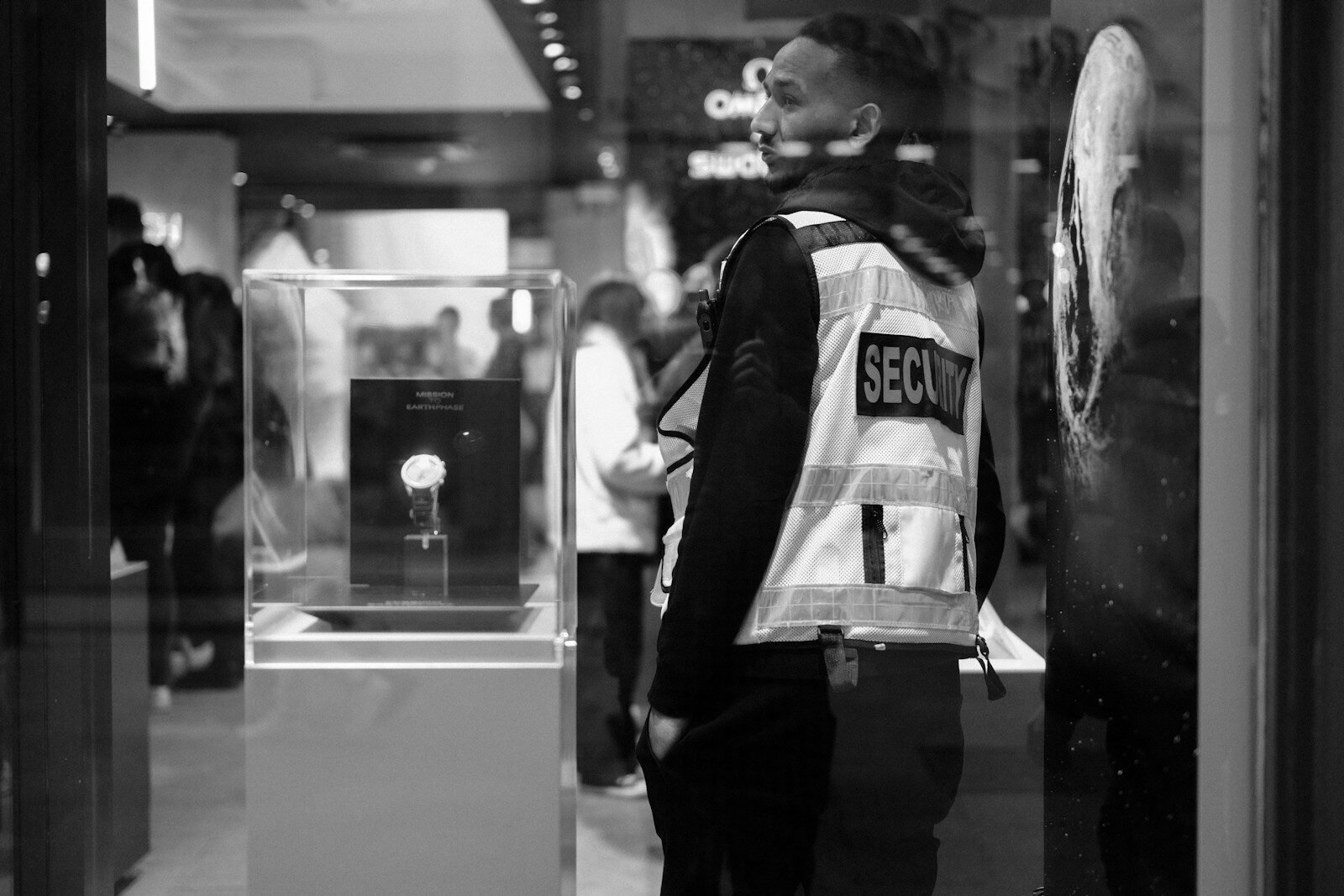
When people think of physical security, they often picture a traditional guard sitting at a desk or standing near a door. However, the role of a Protective Security Officer (PSO) goes far beyond basic monitoring. PSOs are specialized, highly trained personnel responsible for safeguarding critical infrastructure, government buildings, high-profile corporate facilities, and high-risk environments.
Unlike standard static guards, a Professional Security Officer in a protective role undergoes rigorous preparation to handle high-stress situations, manage access control, respond to physical threats, and protect human life and valuable assets.
This guide breaks down the core Protective Security Officer Duties, explaining what these officers do daily and how their specialized training sets them apart from standard security guards.
1. High-Level Access Control and Identity Verification
One of the primary responsibilities of a Protective Security Officer is maintaining strict control over who enters and exits a high-security facility. Preventing unauthorized access is the first line of defense against physical threats, corporate espionage, and workplace violence.
Entry Control Responsibilities
PSOs manage access control with precision and continuous attention to detail:
- Credential Verification: Inspecting government IDs, security badges, biometric passes, and visitor permits to ensure only authorized personnel enter restricted zones.
- Visitor and Contractor Screening: Conducting thorough bag searches, operating X-ray machines, and utilizing metal detector wands to prevent weapons or prohibited items from entering the premises.
- Vehicle Inspection Protocols: Inspecting incoming delivery trucks and visitor vehicles at site gates to screen for hazards, unauthorized passengers, or suspicious cargo.
- Managing Entry Choke Points: Maintaining continuous physical presence at main lobbies, turnstiles, and loading bays to prevent unauthorized entry or tailgating.
2. Advanced Threat Detection and Patrol Operations
While stationary access control is vital, active surveillance and physical movement across a facility ensure total coverage. A Protective Security Officer is trained to identify vulnerabilities, observe human behavior, and detect threats before they escalate into dangerous incidents.
Key Operational Duties
- Randomized Facility Patrols: Conducting foot and vehicle patrols across multi-building campuses, parking structures, and perimeter fencing to disrupt predictable patterns that intruders might exploit.
- Behavioral Observation: Identifying suspicious behavior, unauthorized loitering, or individuals attempting to photograph or survey restricted facility layouts.
- Monitoring Surveillance Systems: Utilizing CCTV camera feeds, alarm panels, and motion sensors to oversee unmonitored zones and dispatch response teams when security breaches occur.
- Perimeter and Infrastructure Checks: Regularly inspecting physical locks, emergency egress doors, perimeter lighting, and alarm systems to verify all security hardware operates correctly.
3. Specialized Protective Security Training and Preparedness
The ability to manage complex, volatile situations effectively stems from intensive, specialized instruction. Protective Security Training prepares officers to operate safely and decisively under extreme pressure.
Core Areas of Specialized Instruction
Before taking on active duties, officers complete comprehensive training programs covering:
- Advanced Threat De-escalation: Mastering verbal communication techniques to calm agitated individuals and resolve aggressive confrontations peacefully without physical force.
- Active Shooter and Crisis Response: Learning tactical movement, crowd evacuation execution, and containment protocols during severe emergencies.
- Emergency First Aid and CPR: Receiving certification in basic life support, trauma response, CPR, and automated external defibrillator (AED) usage to act as immediate first responders.
- Legal Standards and Use of Force: Understanding local, state, and federal laws regarding detention authority, property rights, and appropriate use-of-force standards.
4. Emergency Response and Tactical Coordination
During critical incidents, such as medical emergencies, active security threats, structural fires, or severe weather events, a Protective Security Officer takes immediate control of the situation to minimize risk to life and property.
Emergency Action Protocols
- Incident Command and Coordination: Serving as the primary on-site link to local law enforcement, fire departments, and emergency medical services (EMS) when incident response is required.
- Safe Facility Evacuations: Directing employees, visitors, and contractors along designated egress routes toward safe assembly points during fire alarms or chemical leaks.
- Crisis Containment: Securing affected zones, locking down building sectors, and isolating active hazards until emergency responders arrive on scene.
- Detailed Incident Logging: Recording precise, court-admissible logs, incident reports, and witness accounts following any security or safety breach.
5. Integrating PSOs into Comprehensive Security Guard Services
Organizations facing elevated risk levels often combine advanced technical measures with specialized human protection. Integrating PSOs into broader Security Guard Services delivers a multi-layered defense strategy tailored to specific facility needs.
Ideal Facilities for Protective Security Officers
PSOs are essential for high-value and sensitive environments, including:
- Government agencies, courthouses, and municipal infrastructure.
- Defense contracting facilities and high-tech research centers.
- Data centers, financial institutions, and corporate headquarters.
- Healthcare complexes and critical utility facilities.
Essential Checklist: Evaluating Protective Security Personnel
When assessing security requirements for high-risk facilities, use this evaluation checklist:
- Verify that all deployed officers have completed certified Protective Security Training and hold required state or federal security licenses.
- Ensure officers possess advanced certifications in CPR, First Aid, AED usage, and crisis de-escalation.
- Confirm that officers undergo regular background checks, drug screenings, and continuous performance evaluations.
- Review the provider’s emergency response protocols, 24/7 dispatch capabilities, and local law enforcement coordination channels.
- Request customized post orders tailored specifically to your site’s physical infrastructure and risk profile.
Conclusion
A Protective Security Officer serves as a crucial pillar in modern physical security strategies. By combining rigorous physical preparation, clear tactical communication, and specialized skills, these professionals provide a level of protection that goes far beyond traditional guarding.
By investing in a highly qualified Professional Security Officer team and partnering with established Security Guard Services, organizations ensure that their personnel, physical assets, and operational continuity remain safe, compliant, and protected against emerging threats.
Frequently Asked Questions (FAQs)
1. What is the difference between a standard security guard and a Protective Security Officer?
While standard security guards handle general observation, key control, and basic visitor sign-ins, a Protective Security Officer undergoes advanced tactical training to protect high-threat facilities, manage active emergency situations, and enforce strict entry control.
2. What topics are covered during protective security training?
Training typically covers threat de-escalation, active shooter response, emergency trauma first aid, legal regulations, access control technology operation, physical defense tactics, and crisis communication.
3. What are the key protective security officer duties during an emergency?
During emergencies, a PSO takes control of site evacuation, provides immediate first aid, coordinates directly with law enforcement and emergency responders, isolates security threats, and secures confidential or high-value assets.
4. How do professional security guard services customize protective plans for facilities?
Security agencies conduct a thorough risk assessment of the property’s perimeter, access points, and daily traffic flow to design customized post orders, patrol schedules, and entry protocols suited to the facility’s specific threat level.
5. Why do corporate headquarters hire protective security officers?
Corporate facilities hire PSOs to protect high-level executives, safeguard intellectual property, prevent unauthorized access to sensitive data servers, and maintain a safe environment for employees and visitors.