
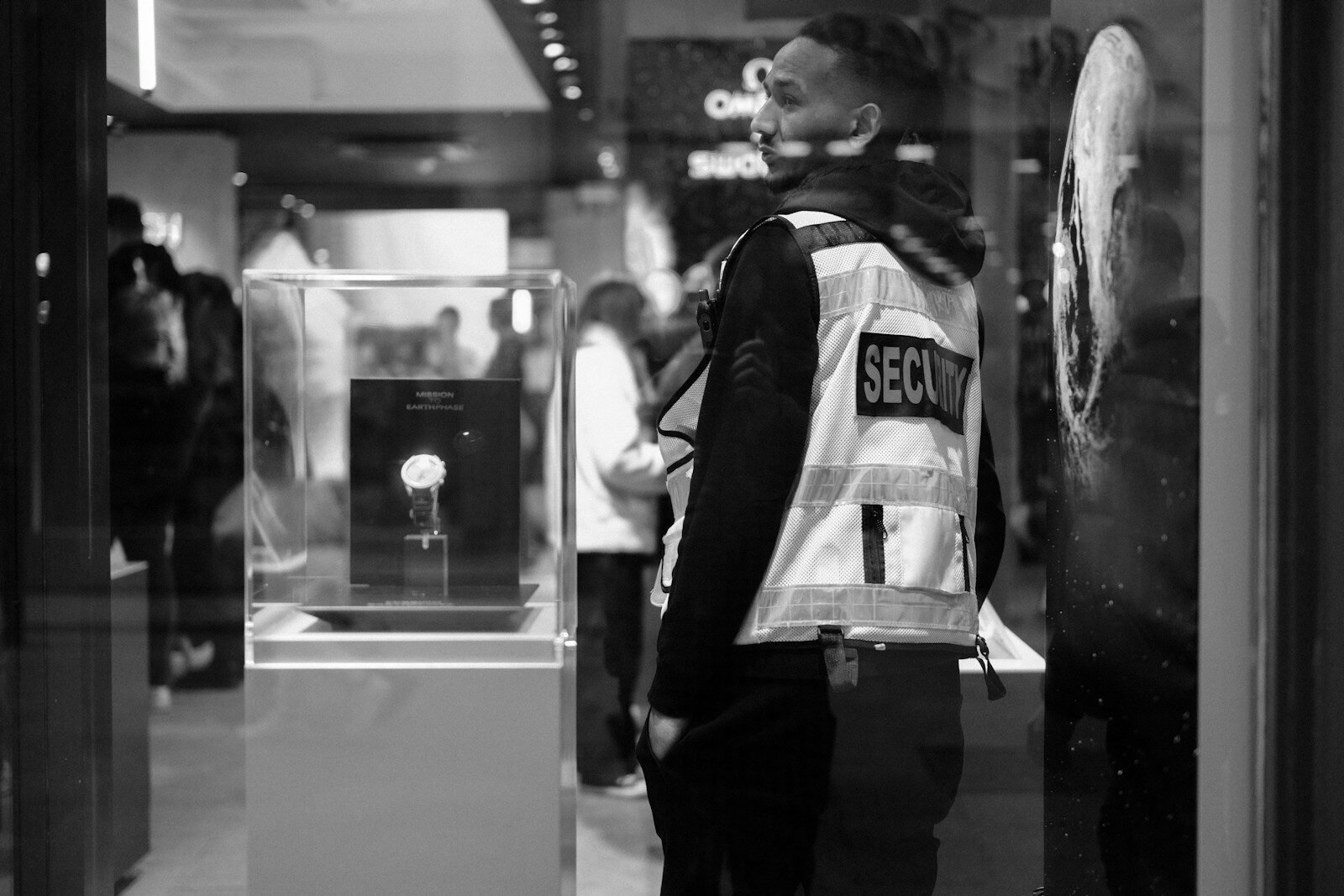
Common Retail Security Challenges and How Loss Prevention Officers Help
Retail businesses face continuous threats to their bottom line, inventory, and overall safety. From high-street boutiques and shopping malls to large big-box stores and supermarkets, shoplifting, organized retail crime, inventory shrinkage, and customer disruptions pose ongoing operational challenges.
Managing a profitable retail operation requires protecting physical inventory, high-value assets, employees, and shoppers. Simply relying on overhead surveillance cameras or electronic inventory tags is often not enough to stop determined thieves.
Deploying a professional retail security service provides the active physical presence needed to deter shoplifters, minimize inventory shrinkage, and maintain a safe, welcoming store environment.
Primary Security Challenges in Modern Retail
Retail environments are dynamic spaces with constant foot traffic, open displays, and high-volume transactions, making them prime targets for various forms of theft and disruption.
- Shoplifting and Organized Retail Crime: Theft ranges from opportunistic individual shoplifting to highly coordinated organized retail crime syndicates that target high-value merchandise for resale.
- Internal Employee Theft: Non-customer inventory shrinkage including unauthorized discounts, fraudulent returns, register shortfalls, and unrecorded inventory removal accounts for a significant percentage of retail loss.
- Customer Disruptions and Trespassing: Aggressive behavior, verbal disputes, loitering, and public intoxication can create unsafe shopping conditions, lower staff morale, and drive away customer foot traffic.
- Organized Fraud and Refund Scams: Fraudulent receipts, stolen credit cards, and counterfeit currency present sophisticated financial risks at the point of sale.
The Key Role of Retail Loss Prevention Officers
To combat complex theft threats, retailers rely heavily on specialized retail loss prevention officers. These trained professionals operate both visibly and discreetly inside retail stores to identify, monitor, and mitigate inventory shrinkage in real time.
- Undercover Floor Surveillance: Loss prevention officers frequently operate in plain clothes, blending in with regular shoppers to observe suspicious behaviors, concealment techniques, and organized theft rings without alerting suspects.
- De-Escalation and Safe Apprehension: When theft occurs, trained officers follow strict legal protocols to approach, detain, and handle shoplifters safely while minimizing risk to bystanders and staff.
- Analyzing Theft Patterns: Loss prevention personnel review store layout vulnerabilities, track high-risk inventory zones, and analyze CCTV footage to identify recurring theft trends and internal fraud schemes.
- Employee Compliance Audits: Officers conduct routine audits on register transactions, stockroom access, delivery check-ins, and trash disposal procedures to prevent internal employee inventory leakage.
Deterring Crime with Visible Retail Security Guards
While loss prevention officers work strategically behind the scenes, deploying uniformed retail security guards delivers an immediate, visible deterrent that keeps potential offenders from targeting your store in the first place.
- High-Visibility Front Entrance Presence: Positioned at primary doors, uniformed guards serve as a visual warning to potential shoplifters while offering a welcoming greeting to legitimate customers.
- Active Floor Patrols: Moving continuously through store aisles, fitting rooms, and stockroom corridors eliminates unmonitored blind spots where concealment typically occurs.
- Emergency Response and Crowd Management: During high-density sales events, holiday rushes, or emergency situations, uniformed guards manage crowd flow, prevent altercation escalations, and coordinate directly with local law enforcement.
- Receipt and Shopping Bag Checks: Performing professional entry and exit audits verifies high-ticket electronics, apparel, and bulk items against customer receipts before merchandise leaves the premises.
How Professional Retail Protection Protects Profitability
Investing in dedicated retail safety staff yields clear financial benefits for store owners and corporate regional managers.
- Direct Reduction in Inventory Shrinkage: Minimizing shoplifting and internal theft directly protects profit margins and ensures accurate inventory counts for physical stores and online order fulfillment.
- Enhanced Employee Safety and Retention: Store staff feel safer when supported by trained security personnel, resulting in lower workplace stress, higher productivity, and reduced turnover rates.
- Improved Customer Shopping Experience: A safe, orderly store environment attracts more customers, increases linger time in retail displays, and drives higher sales volume.
- Reduced Insurance and Liability Claims: Active security coverage helps document slip-and-fall incidents, reduces premises liability risks, and maintains accurate digital records for insurance audits.
Store Checklist: Evaluating Your Retail Security Readiness
- Are high-value merchandise items continuously monitored by physical floor patrols or security cameras?
- Has your store experienced rising rates of shoplifting, customer altercations, or unverified inventory loss?
- Do employees feel confident and safe handling aggressive shoplifters, disruptive loiterers, or late-night closing procedures?
- Are stockrooms, employee break rooms, and emergency exit corridors secured against unauthorized access?
- Do you have trained personnel dedicated to conducting exit audits, checking receipts, and verifying large deliveries?
Conclusion
Securing a retail business requires a balanced strategy that combines proactive deterrence with active loss prevention. Relying solely on passive technology leaves critical inventory open to organized theft and internal shrinkage.
By partnering with an experienced retail security service, store owners can deploy dedicated retail loss prevention officers and visible retail security guards to eliminate store vulnerabilities, protect profit margins, and deliver a safe shopping experience for everyone.
Frequently Asked Questions (FAQs)
1. What is the difference between a retail security guard and a loss prevention officer?
Uniformed retail security guards focus on visible deterrence, entrance greeting, crowd management, and immediate emergency response. Loss prevention officers often work discreetly in plain clothes to observe shoplifting behaviors, investigate internal fraud, and conduct detailed inventory audits.
2. Can loss prevention officers legally detain a shoplifter?
Yes, trained loss prevention personnel can detain individuals suspected of shoplifting under established legal guidelines, provided they have witnessed the theft from initial selection to concealment and past the final point of purchase.
3. How does visible retail security reduce shoplifting?
Visible uniformed guards create a clear risk of detection. Most opportunistic shoplifters bypass stores with an active, professional security presence in favor of unmonitored targets.
4. Why is internal employee theft a major concern for retailers?
Internal theft often involves higher monetary values per incident compared to basic shoplifting, including cash register theft, inventory manipulation, and unauthorized discounts.