Concierge Security and Building Surveillance Systems
Keeping a building safe requires both smart people and modern technology. High-rise apartments, office towers, and luxury penthouses all face daily security challenges. Unwanted visitors might try to enter restricted areas, packages can go missing, and emergency situations can happen without warning.
To protect residents, office workers, visitors, and valuable property, smart building managers use a team approach. Concierge Security Services can provide a trained security presence at the front entrance while supporting daily building operations.
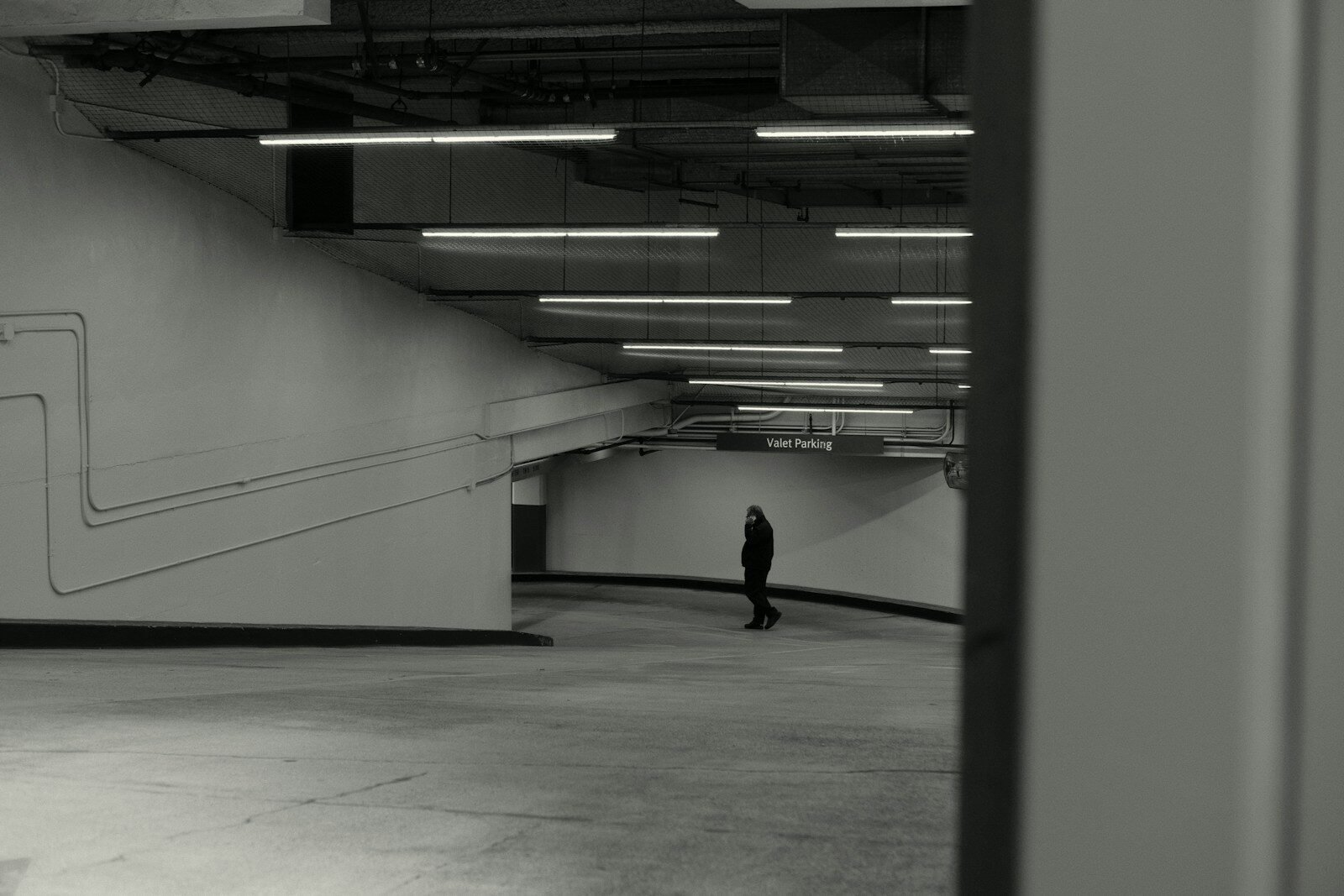
A strong building security plan should cover more than just the main entrance. It should also consider parking areas, elevators, stairwells, hallways, amenity spaces, delivery areas, and other shared locations.
Understanding Concierge Security
A security concierge is much more than a standard guard standing at the front door. They act as both a friendly customer service ambassador and a vigilant safety officer.
When someone enters a property, the front desk is often their first stop. Having a trained Security Concierge for Buildings ensures that visitors are greeted politely and checked in properly.
Concierge officers can also help residents with basic questions, direct visitors to the right areas, and monitor activity around the entrance. Their visible presence can discourage unwanted behaviour while creating a welcoming environment.
Responsibilities of Concierge Officers
- Access Control: They verify visitor information, issue guest passes, and help ensure non-residents do not enter restricted areas without authorization.
- Delivery Management: Mailrooms can quickly become targets for package theft. Concierge staff can receive incoming parcels, maintain delivery records, and notify residents when packages arrive.
- Visitor Management: Officers can record visitors, contractors, and service providers entering the property. This creates a clearer record of who is accessing the building.
- Friendly First Impressions: They answer questions, assist residents when needed, and maintain a calm, welcoming front desk environment while keeping a close eye on lobby activity.
- Emergency Support: During an emergency, concierge personnel can follow established procedures, contact the appropriate services, and help direct residents and visitors to safe areas.
The Power of Building Surveillance Systems
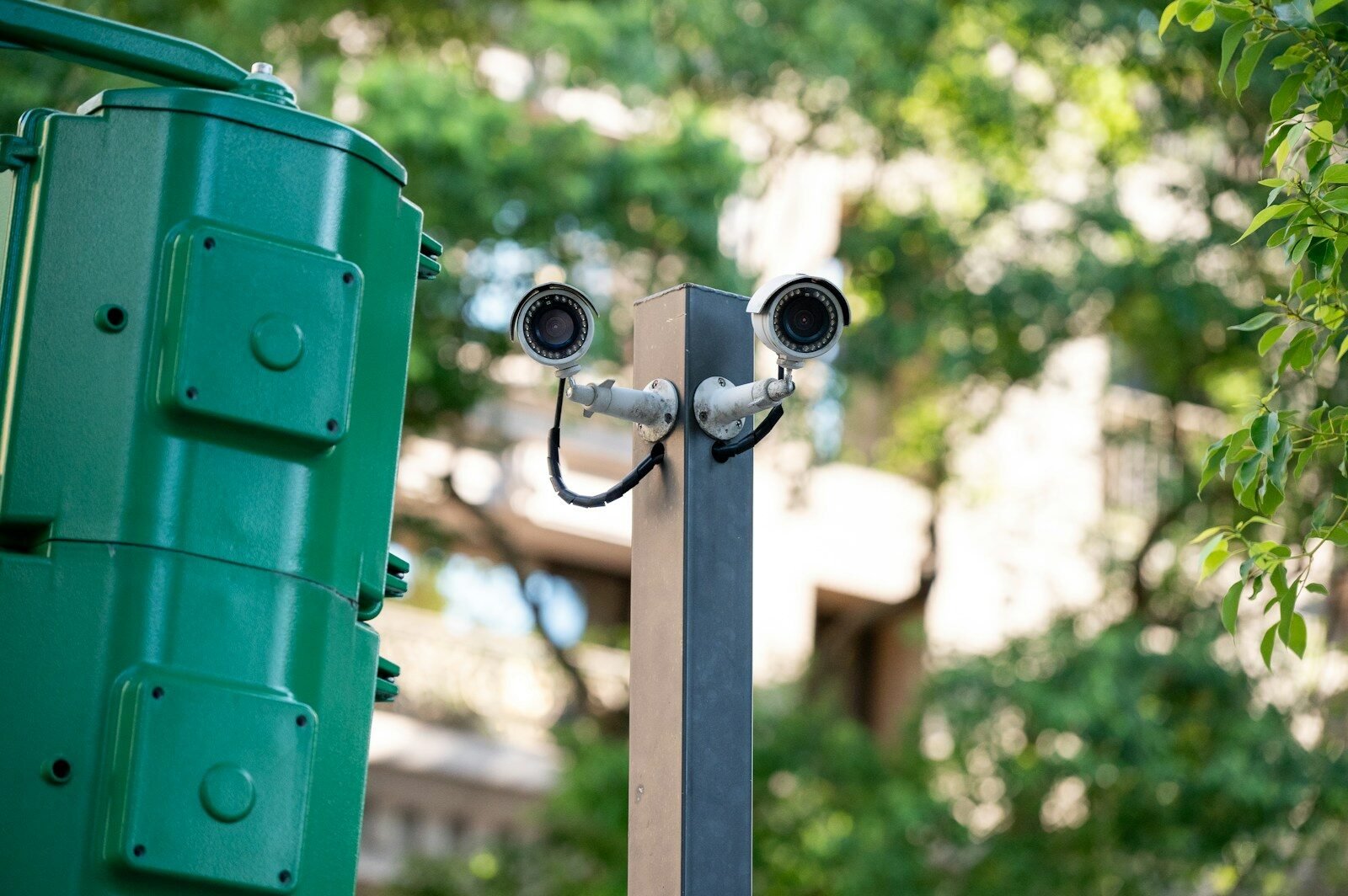
While a concierge monitors the main lobby, electronic security networks act as the watchful eyes for the rest of the property. Modern surveillance systems can monitor areas that guards cannot watch continuously. Cameras and other security devices can provide useful information about activity around entrances, parking garages, elevators, hallways, and other important areas.
A complete security system can rely on several technologies working together:
- High-Definition CCTV Cameras: Modern cameras can provide clear video in hallways, entrances, parking areas, and other locations. Depending on the system, cameras may also provide useful details about people, vehicles, and activity.
- Smart Motion Sensors: Sensors can alert security personnel when movement is detected in restricted or monitored areas. This can be useful during hours when certain parts of the building are closed.
- Electronic Access Control: Keycards, key fobs, or mobile access systems can replace traditional keys. These systems can restrict access to private floors, storage rooms, offices, and amenity areas.
- Video Monitoring Systems: Security personnel can review live or recorded footage to understand what is happening in different areas of the property. This can support faster responses and incident investigations.
Why Combining People and Technology Works Best
Relying on technology alone or guards alone can leave security gaps. Cameras can detect and record activity, but they cannot physically respond to an incident. Security personnel can respond to situations, but they cannot watch every part of a large property at the same time.
Connecting both systems creates a more complete approach. When a camera or sensor detects unusual movement near a restricted door, the alert can be reviewed by security personnel. This helps them understand what is happening before deciding how to respond.
If a disturbance occurs, security officers can record the incident while time-stamped video provides additional information. These records can help property managers understand what happened.
When security personnel have access to live information from cameras and alarms, they can respond with a better understanding of the situation.
Steps to Improve Property Safety
Property owners and strata boards can take several practical steps to improve building security.
- Upgrade Hallway Lighting: Good lighting can improve visibility and help security cameras capture clearer footage.
- Review Guest Entry Policies: Establish clear rules for vendors, delivery drivers, contractors, visitors, and short-term guests.
- Conduct Regular Camera Audits: Inspect camera lenses and equipment regularly. Dust, dirt, cobwebs, or damaged equipment can affect visibility.
- Check Access Permissions: Review who has access to private floors, offices, storage areas, and other restricted locations. Remove access when employees, contractors, or residents no longer require it.
- Test Security Equipment: Cameras, alarms, access controls, emergency communication systems, and other security equipment should be checked regularly to ensure they are working properly.
- Train Building Staff: Concierge personnel and property staff should understand visitor procedures, emergency plans, reporting requirements, and access control policies.
Build a Security Plan Around Your Property
Every building has different security requirements. A small residential property may need a simple concierge desk and camera system, while a large luxury condo or office tower may require multiple guards, access controls, surveillance monitoring, and detailed visitor management.
Property managers should begin by identifying the building’s main risks. Consider the number of residents or employees, operating hours, visitor traffic, parking facilities, valuable assets, and previous incidents.
A professional security assessment can then help identify areas that need additional protection. This allows building owners and managers to focus their security resources where they are most needed. Choosing suitable Concierge Security Services can also help ensure that trained personnel are available to manage visitors, monitor entrances, and support daily building safety.
Regular reviews are also important. Building layouts, tenants, technology, and security risks can change over time. Updating procedures and equipment helps keep the security plan useful as the property changes.
Conclusion
Protecting modern residential and commercial properties requires a balanced defence strategy. Combining polite, attentive lobby officers with high-tech camera networks creates a secure environment where residents, employees, and visitors can feel more comfortable.
Concierge personnel provide a visible human presence, manage visitors, support residents, and respond to security concerns. Count on Black Panther Security when you want to secure your property with trusted professionals. Our experienced teams offer professional Concierge Security Services, front-desk security, and integrated surveillance planning across British Columbia.