Daily Safety Habits for Professional Security Guards
Working as a professional security officer is a critical and rewarding role, but it also comes with inherent daily risks. Whether guarding a commercial office building, managing crowd access at a private event, or conducting nighttime patrols across an expansive industrial site, security officers are often the first line of defense during unexpected emergencies.
To perform their duties effectively and return home safely after every shift, officers must develop strong personal situational awareness and follow established safety protocols. While basic instruction provides a foundation, adopting consistent, daily safety habits is what truly keeps guards protected on the job.
This practical guide outlines essential daily safety habits, highlighting how proper execution of security guard responsibilities and regular safety practices keep officers safe and prepared for any situation.
Habit 1: Thorough Pre-Shift Preparation and Gear Inspection
Safety does not start when an officer arrives at their checkpoint or post; it begins before stepping onto the site. Proper preparation ensures you have the necessary tools, information, and mindset to handle challenges during your shift.
Essential Pre-Shift Inspection Steps
Prioritizing personal readiness is a foundational standard emphasized in modern security guard training. Before starting your shift, complete the following routine:
- Inspect Protective Gear: Check that your uniform fits properly, wear sturdy slip-resistant boots, and inspect your high-visibility vest, duty belt, and personal protective equipment (PPE) for wear or damage.
- Verify Communication Devices: Test primary and secondary communication tools, including two-way radios, mobile phones, and guard-tour panic buttons. Ensure batteries are fully charged and backup power packs are on hand.
- Review Pass-Down Logs: Read the previous shift’s logs carefully to stay informed about active site hazards, maintenance issues, recent trespass incidents, or specific administrative instructions.
- Confirm Emergency Contacts: Ensure direct phone numbers for local police dispatch, fire services, site managers, and field supervisors are saved and easily accessible.
Habit 2: Maintaining Situational Awareness and Mindful Movement
Situational awareness being constantly conscious of your surroundings, potential hazards, and human interactions is the single most effective tool for personal security guard safety. Complacency on routine shifts can lead to overlooked risks and dangerous situations.
Practices for High Situational Awareness
- Scan for Environmental Hazards: Pay close attention to slipping hazards, broken glass, unlit stairwells, exposed wiring, or blocked emergency exits as you move through your post.
- Observe Body Language: When greeting visitors or inspecting credentials, observe non-verbal cues such as nervous posture, aggressive gestures, or attempts to avoid eye contact that may indicate suspicious intent.
- Maintain Safe Standing Distances: Practice proper reactionary gap positioning when speaking with unknown individuals, keeping at least two arm-lengths of distance to allow adequate response time if a situation turns hostile.
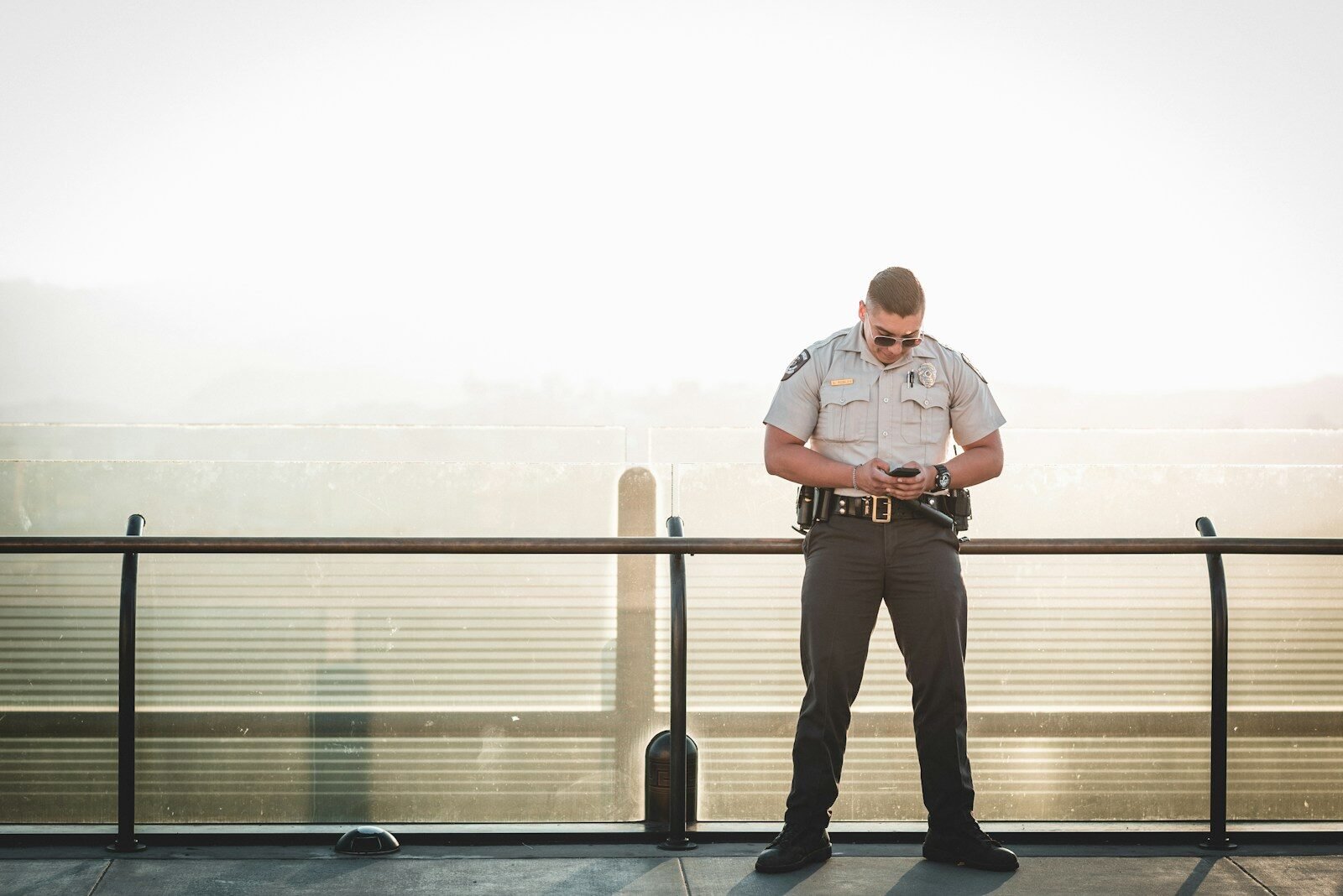
- Avoid Distractions: Limit personal phone usage, texting, or wearing headphones while on duty. Remaining fully focused on your environment allows you to detect subtle changes before they become active threats.
Habit 3: Executing Safe Security Patrol Procedures
Patrolling a facility is a core duty for many officers, but moving through large, unoccupied, or poorly lit areas requires strict adherence to safety protocols. Following structured security patrol procedures minimizes the risk of ambushes, accidents, or getting stranded during an emergency.
Key Patrol Safety Habits
- Vary Patrol Routes and Schedules: Avoid moving through a property at exact, predictable times along identical paths. Randomizing your route prevents unauthorized individuals from predicting your movements.
- Use Proper Lighting: Always carry a high-lumen, heavy-duty flashlight during evening or indoor inspections. Scan dark doorways, corners, and alcoves before entering.
- Establish Regular Check-Ins: Inform your central dispatcher, field supervisor, or team partner before inspecting high-risk zones like rooftops, basements, or vacant buildings, and establish scheduled check-in intervals.
- Clear Egress Paths: Keep note of all available exit routes along your patrol path so you can evacuate quickly during a fire, chemical leak, or physical confrontation.
Habit 4: De-escalation Techniques and Conflict Resolution
Physical confrontations should always be a last resort. Excellent verbal communication and de-escalation skills are essential components of everyday security guard responsibilities, allowing officers to resolve conflicts without putting themselves or others in harm’s way.
Verbal De-escalation Strategies
- Maintain Calm Body Language: Stand with an open posture, keep hands visible at chest height, and avoid crossing arms, pointing fingers, or making sudden movements.
- Use a Controlled Tone: Speak calmly, clearly, and assertively. Lowering your voice often encourages agitated individuals to quiet down to hear you.
- Active Listening: Allow disgruntled visitors or trespassers to voice their frustrations without interrupting, then clearly explain company policies and required steps without sounding aggressive.
- Know When to Fall Back: If a subject becomes violent, displays a weapon, or refuses to comply, step back to a safe position, request immediate backup, and notify law enforcement.
Daily Security Guard Safety Checklist
Incorporate this simple daily checklist into your work routine to ensure consistent safety on every shift:
Beginning of Shift
- Verify all personal equipment, flashlights, radios, and panic alarms are working.
- Read previous guard shift logs and note any ongoing site hazards.
- Perform a visual check of your uniform, footwear, and protective gear.
During Shift Execution
- Follow randomized security patrol procedures across all assigned zones.
- Practice situational awareness and keep a safe distance during visitor interactions.
- Log all minor incidents, facility maintenance needs, and security checks accurately.
End of Shift
- Complete a detailed pass-down log for the incoming officer.
- Report any broken equipment, lighting failures, or security gaps to management.
- Ensure all keys, badges, and communication radios are returned to charging docks.
Conclusion
A successful security operation relies on officers who execute their duties with professional skill and a commitment to personal safety. By building strong daily habits, such as thorough gear inspections, heightened situational awareness, randomized patrols, and calm conflict resolution, guards can fulfill their key security guard responsibilities while minimizing workplace risks.
Prioritizing individual safety ensures that officers can protect property, assist the public, and return home safely at the end of every shift.
Black Panther Security is committed to delivering professional physical protection across commercial, industrial, and event venues. We prioritize continuous security guard training to equip our guards with the knowledge, technology, and habits necessary to maintain safe, secure environments. Contact our team today to learn more about our security services.
Frequently Asked Questions (FAQs)
1. What is the most important daily habit for security guard safety?
Maintaining constant situational awareness is the most critical habit. Staying alert, avoiding personal phone distractions, and observing your environment allows you to spot hazards and address threats early.
2. How does regular security guard training improve officer safety?
Ongoing training reinforces proper threat de-escalation techniques, emergency response protocols, legal boundaries, and physical safety measures, giving officers the confidence and skills needed to handle real-world risks safely.
3. What are the primary security guard responsibilities during a site patrol?
Core patrol responsibilities include verifying that exterior doors and windows are locked, inspecting perimeter fencing, checking for fire hazards or water leaks, monitoring unauthorized visitors, and logging all site checks accurately.
4. Why should officers vary their security patrol procedures?
Varying patrol routes and arrival times prevents criminals or trespassers from learning your routine. Unpredictable patrols make it much harder for unauthorized individuals to plan break-ins or avoid detection.
5. What should a security officer do if a confrontation escalates into physical violence?
The officer should prioritize personal safety, create physical distance from the aggressor, utilize de-escalation skills, call for immediate partner backup, and request emergency law enforcement assistance.