How Technology Helps Prevent Store Theft
Retail stores lose billions of dollars every year to inventory shrinkage, inventory miscounts, and organized retail crime. Shoplifting and internal theft directly impact a business’s bottom line, forcing store owners to raise prices or cut profit margins. Fortunately, modern security technology has evolved far beyond traditional mirrors and basic door chimes.
Today, smart technology allows store managers to take a proactive approach to Retail Loss Prevention. By using artificial intelligence, smart access control, high-definition camera networks, and automated tagging systems, retailers can deter thieves before they leave the building.
This guide explores how modern Anti-Theft Technology helps protect retail stores, improves inventory accuracy, and creates a safer shopping environment for customers and staff.
Phase 1: Smart Surveillance & AI-Powered Video Monitoring
Traditional security cameras recorded footage that was usually checked only after a theft had already happened. Modern surveillance systems, however, actively analyze video feeds in real time to prevent crimes as they occur.
Advanced Video Monitoring for Retail
Upgrading to smart Video Monitoring for Retail helps store owners identify suspicious behavior instantly. Modern surveillance tech offers several key benefits:
- AI Gesture Recognition: Smart camera systems use artificial intelligence to detect suspicious physical movements, such as a customer slipping items into a coat, sweeping entire shelves into a bag, or lingering excessively in high-value aisles.
- License Plate & Facial Recognition: Advanced systems can cross-reference known shoplifting repeat offenders against a regional database, sending immediate alerts to floor staff or security guards when a flagged individual enters the store.
- Heatmap & Dwelling Analysis: Surveillance software tracks foot traffic patterns and alerts managers when individuals stay in blind spots or restricted backrooms for an unusual length of time.
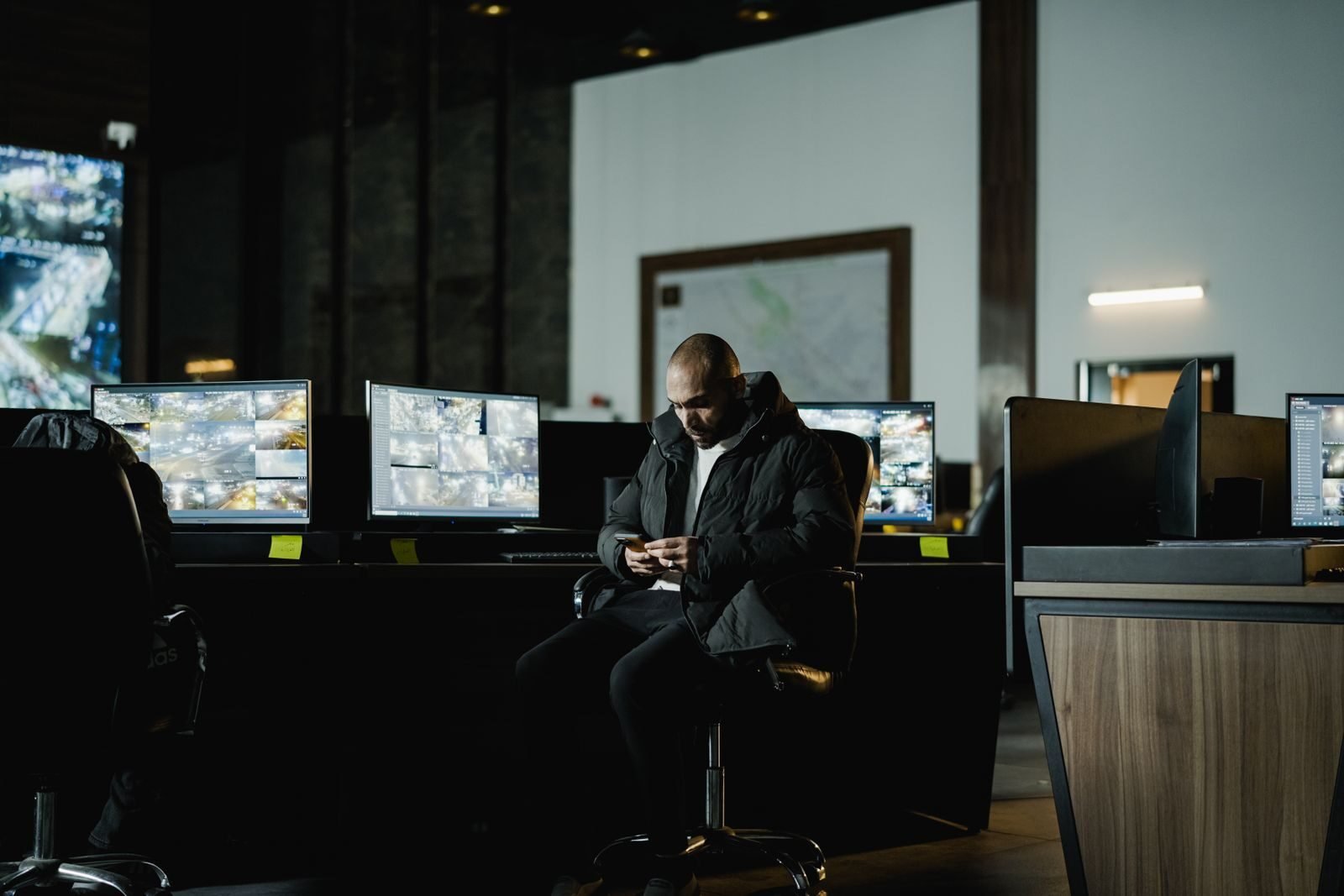
- Remote Off-Site Monitoring: Security teams can access live, high-definition camera feeds from smartphones or central control centers, enabling immediate action during an active incident.
Phase 2: Electronic Article Surveillance (EAS) & Smart Tagging
Electronic Article Surveillance (EAS) has long been a staple of retail security, but smart tech upgrades have made these systems far more accurate and difficult to bypass.
Evolving Shoplifting Prevention Solutions
Integrating next-generation tagging systems provides reliable Shoplifting Prevention Solutions that protect merchandise without disrupting the shopping experience:
- RFID (Radio Frequency Identification) Tags: Unlike older tags that only sound an alarm at the door, RFID tags track the exact location of high-value items in real time. If ten leather jackets are removed from a rack at once, the system alerts security immediately.
- Benefit-Denial Tags: Ink tags and heavy-duty mechanical locks make stolen items unusable or damaged if forcefully removed, removing the incentive for thieves to steal them.
- Concealment Foil Detectors: Advanced pedestal gates installed at store exits can detect aluminum-lined bags (often used by professional shoplifters to block signals) the moment they enter or exit the premises.
Phase 3: Smart Access Control & Point-of-Sale (POS) Security
Shrinkage does not always come from external shoplifters; internal theft and cashier errors also account for a significant portion of retail losses. Protecting restricted areas and point-of-sale registers is critical.
Securing Register Terminals and Storage Rooms
Modern Anti-Theft Technology addresses internal vulnerabilities through strict digital oversight:
- POS Exception Monitoring: Security software links cash register transactions directly to live video footage. If a cashier processes a return, gives an unauthorized discount, or opens a register drawer without a sale, the system flags the video clip for review.
- Biometric & Keycard Access: Storage rooms, cash offices, and high-value stock bays require biometric fingerprints or smart access badges to open, creating a digital audit trail of who accessed inventory and when.
- Smart Display Cases: Instead of requiring employees to use physical keys to unlock display cases for expensive electronics or cosmetics, staff use smartphone apps or smart key fobs that log every unlock event.
Phase 4: Combining Physical Security Guards with Technology
While software and hardware provide essential monitoring capabilities, technology works best when paired with trained security personnel who can evaluate situations and respond in person.
The Human Element in Loss Prevention
A complete strategy for Retail Loss Prevention combines digital tools with physical guard services:
- Immediate On-Site Intervention: When intelligent Video Monitoring for Retail detects a suspicious incident, on-duty static security guards can immediately approach the individual, offer customer assistance, or prevent unauthorized exit.
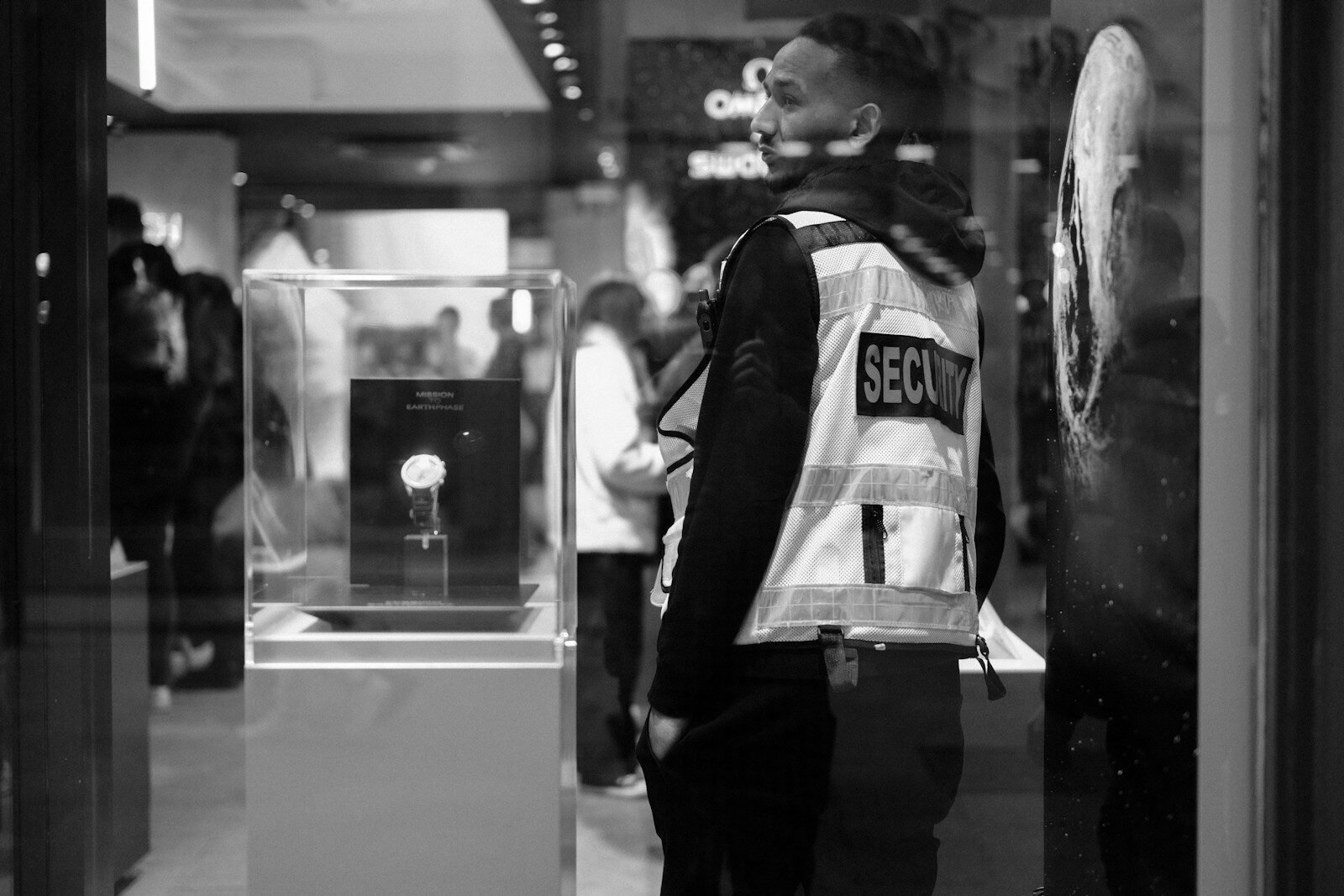
- Deterrence at Entrance Points: Stationing licensed security officers near main entrances alongside visible security monitors creates a powerful visual barrier against opportunistic shoplifters.
- De-escalation and Safety: Trained guards know how to handle confrontations calmly, minimizing safety risks for innocent shoppers and store employees during an incident.
Practical Checklist for Implementing Store Security Tech
Use this step-by-step evaluation list to assess your store’s security posture and upgrade your defenses:
- Audit existing camera networks to eliminate blind spots near high-value displays and emergency exits.
- Upgrade older analog cameras to high-definition IP cameras equipped with smart Video Monitoring for Retail features.
- Implement RFID or EAS smart tagging systems on high-risk, high-value inventory.
- Link cash registers to camera feeds to catch point-of-sale fraud and sweethearting.
- Train retail staff on basic threat awareness and de-escalation techniques.
- Partner with a licensed security agency to combine smart technology with professional on-site guarding.
Conclusion
Preventing store theft in today’s retail environment requires moving away from reactive measures and embracing proactive strategies. Implementing modern Anti-Theft Technology, intelligent Video Monitoring for Retail, and structured Shoplifting Prevention Solutions allows business owners to protect their margins and safeguard inventory effectively.
When integrated into a comprehensive Retail Loss Prevention framework alongside professional security guards, smart tech creates a secure, welcoming environment for honest shoppers while keeping thieves away.
Black Panther Security offers comprehensive retail security services, combining trained on-site security guards, access control management, and loss prevention strategies tailored to your retail space. Contact our security experts today to schedule a complete security audit for your store.
Frequently Asked Questions (FAQs)
1. How does AI video monitoring reduce store theft?
AI video monitoring analyzes camera feeds in real time to spot suspicious behavior, such as shelf-sweeping or concealment gestures, allowing security guards or store personnel to intervene before the thief leaves the store.
2. What are the most effective shoplifting prevention solutions for small retail stores?
Small stores benefit greatly from a combination of high-definition CCTV cameras covering main aisles, visible security warning signs, smart EAS tags on high-value items, and a dedicated entrance security guard.
3. How does RFID technology assist in retail loss prevention?
RFID tags allow store owners to track individual items throughout the store in real time. They provide accurate inventory tracking, identify rapid stock movement, and trigger alerts if multiple high-value items approach exits simultaneously.
4. Can security technology prevent internal employee theft?
Yes. Integrating POS exception monitoring, smart access cards for stockrooms, and biometric display locks creates clear accountability and deters unauthorized access or register fraud by staff members.
5. Should retail stores rely on technology alone or hire security personnel?
A hybrid approach is most effective. Technology provides continuous monitoring and automated alerts, but trained physical security officers are needed to assess situations, de-escalate conflicts, and take direct action safely.