Facts About Parking Lot Security in British Columbia
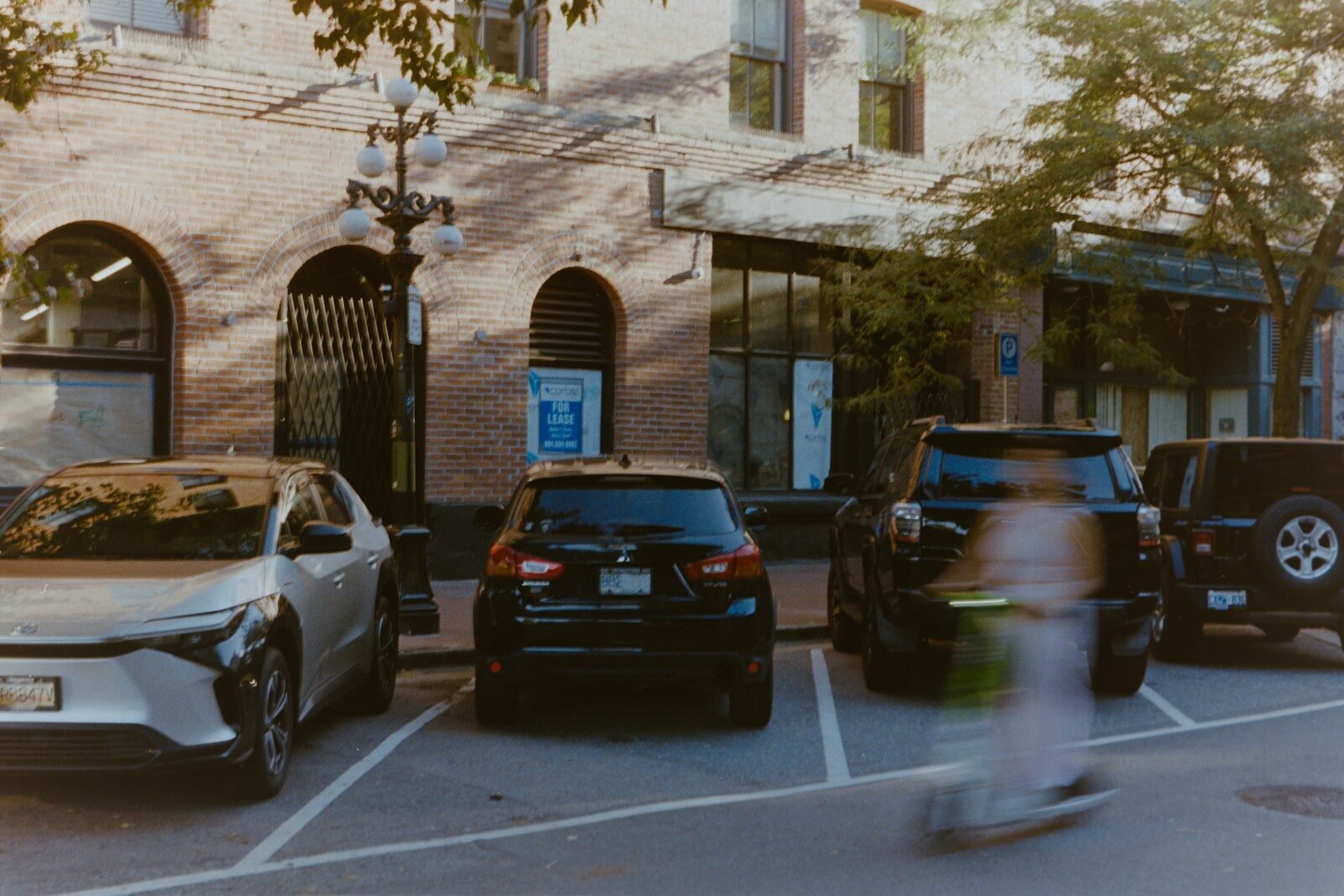
Commercial parking structures, retail surface lots, and residential garages across British Columbia represent some of the most vulnerable zones on any property. From urban centers in Vancouver, Surrey, and Burnaby to commercial hubs across the Fraser Valley and Vancouver Island, unmonitored parking lots frequently attract property damage, theft from vehicles, trespassing, and personal safety risks.
Many property managers mistakenly treat parking facilities as low-risk transit zones, focusing security investments almost exclusively on building interiors. However, robust parking lot security in British Columbia is essential for protecting business assets, reducing legal liability, and keeping visitors safe.
This guide breaks down key operational facts about parking facility risks, effective mitigation strategies, and how to implement proactive protection for your site.
Parking Lots Are Primary Targets for Property Crime
Statistically, open-access parking garages and surface lots experience a disproportionate amount of property crime. Vehicles left unattended for hours give thieves ample time to inspect cabin contents, test door handles, or target expensive components like catalytic converters.
Common Security Vulnerabilities
Understanding why parking areas attract criminal activity helps clarify the need for commercial parking lot security:
- Theft from Autos: Items left in plain sight such as electronics, tools, bags, and loose cash make vehicles prime targets for quick smash-and-grab incidents.
- Vandalism and Property Damage: Dark corners, unmonitored stairwells, and perimeter edges frequently suffer from graffiti, smashed window glass, and structural damage.
- Loitering and Unauthorized Trespassing: Open parking structures often serve as shelter for loitering, illegal dumping, or unauthorized encampments, which creates discomfort and safety concerns for legitimate tenants and customers.
Poor Lighting and Blind Spots Multiply Security Risks
Architectural layout, structural pillars, multi-level ramps, and inadequate lighting create significant physical blind spots. Intruders rely heavily on dark areas and structural concealment to avoid detection.
Designing Out Physical Risk Factors
Implementing fundamental parking lot crime prevention measures requires eliminating environmental vulnerabilities:
- High-Lumen LED Illumination: Upgrading to bright LED lighting across all driving aisles, footpaths, elevator banks, and stairwells removes dark hiding spots.
- Trimmed Landscaping Sightlines: Keeping perimeter bushes trimmed below three feet and tree canopies pruned above seven feet maintains clear visibility from surrounding roadways.
- Strategic Security Mirror Placement: Installing convex security mirrors around sharp parking garage corners and structural pillars eliminates hidden blind spots for both pedestrians and vehicle drivers.
Technology Alone Cannot Prevent Parking Lot Crime
While high-definition closed-circuit television (CCTV) cameras and automated access gates serve as valuable monitoring tools, technology alone has clear limitations. Cameras record crimes as they happen or after the fact, but they cannot physically step in to stop an active break-in.
Combining Technology with Physical Guards
Achieving true security requires a multi-layered defense model that pairs technology with physical oversight:
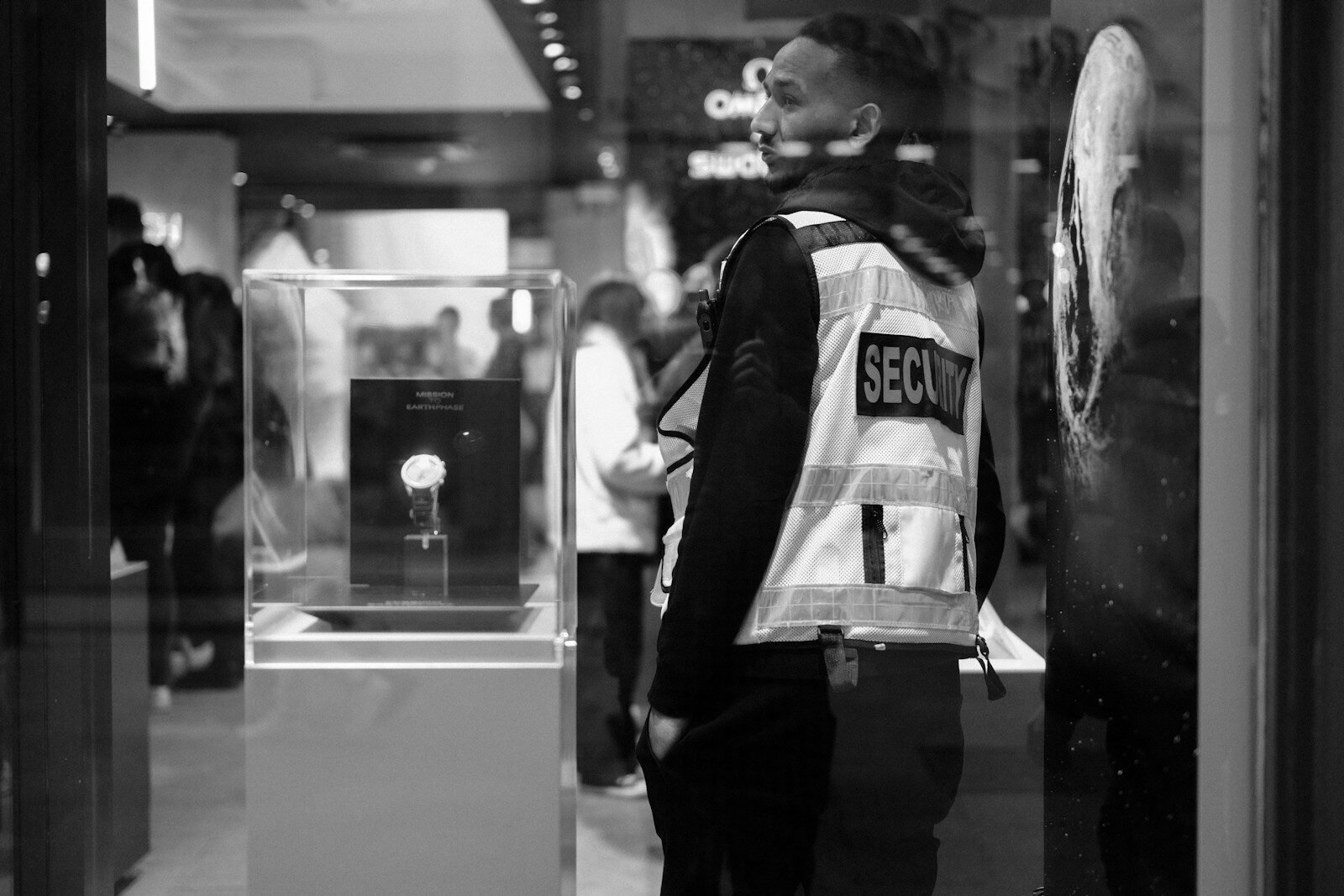
- Active Threat Deterrence: Visible uniformed officers conducting foot patrols or operating marked patrol vehicles serve as an immediate physical barrier that deters thieves.
- Immediate Escalation Control: When suspicious activity occurs, physical security guards can approach unauthorized individuals, issue warnings, and escort them off the property instantly.
- Managing Access Points: Security guards manage parking gate barriers, verify visitor credentials during after-hours operations, and maintain real-time digital entry logs.
Landlord Liability and Business Reputation Impact
When property owners fail to address known security vulnerabilities in their parking structures, the consequences extend far beyond minor inventory loss.
The Real Cost of Neglected Parking Security
- Increased Legal Liability: If a customer or employee experiences theft or personal assault in a poorly lit, unmonitored parking lot, the property owner may face costly premises liability lawsuits.
- Loss of Commercial Tenants: Retail shoppers and corporate office tenants prioritize personal safety. Repeated break-ins cause tenants to break leases or choose competing properties with better protection.
- Higher Insurance Premiums: Frequent property damage claims and vehicle theft reports drive up commercial insurance rates significantly across BC properties.
Property Checklist: Evaluating Your Parking Lot Security
Use this evaluation checklist to assess your parking facility’s security readiness:
- Are all parking levels, stairwells, and entrance gates illuminated with bright, flicker-free lighting?
- Do security cameras cover high-traffic vehicle entry points, elevator lobbies, and secluded corners?
- Are high-visibility security warnings and emergency call boxes posted clearly throughout the facility?
- Do mobile security patrols conduct randomized inspections during overnight and off-peak hours?
- Is there a clear protocol for reporting, documenting, and resolving parking lot incidents quickly?
Frequently Asked Questions (FAQs)
1. Why are parking lots targeted so frequently for property crime in BC?
Parking lots provide easy entry, multiple exit routes, and numerous unattended vehicles containing valuable items. Dimly lit sections and architectural blind spots allow intruders to commit crimes without immediate detection.
2. How does mobile patrol security improve commercial parking lot safety?
Mobile patrol guards arrive at randomized intervals in marked vehicles to inspect perimeters, check exterior doors, clear loiterers, and deter potential thieves.
3. What is the best way to prevent vehicle break-ins in a public parking garage?
The most effective approach combines bright LED lighting, visible CCTV cameras, clear security signage, and routine physical patrols by uniformed security officers.
4. Are property owners liable for crimes committed in their parking lots?
Property owners can be held legally liable if inadequate lighting, broken access gates, or a lack of basic security measures contributed to a foreseeable crime or injury on the premises.
Conclusion
Securing your parking facility is an essential part of protecting your entire commercial property. Leaving parking structures unmonitored exposes businesses to vehicle theft, vandalism, elevated legal liabilities, and damaged reputations.
By establishing comprehensive parking lot security in British Columbia, improving site lighting, and partnering with experienced guard services, property managers can eliminate security blind spots, implement proven parking lot crime prevention techniques, and maintain safe commercial parking lot security year-round.