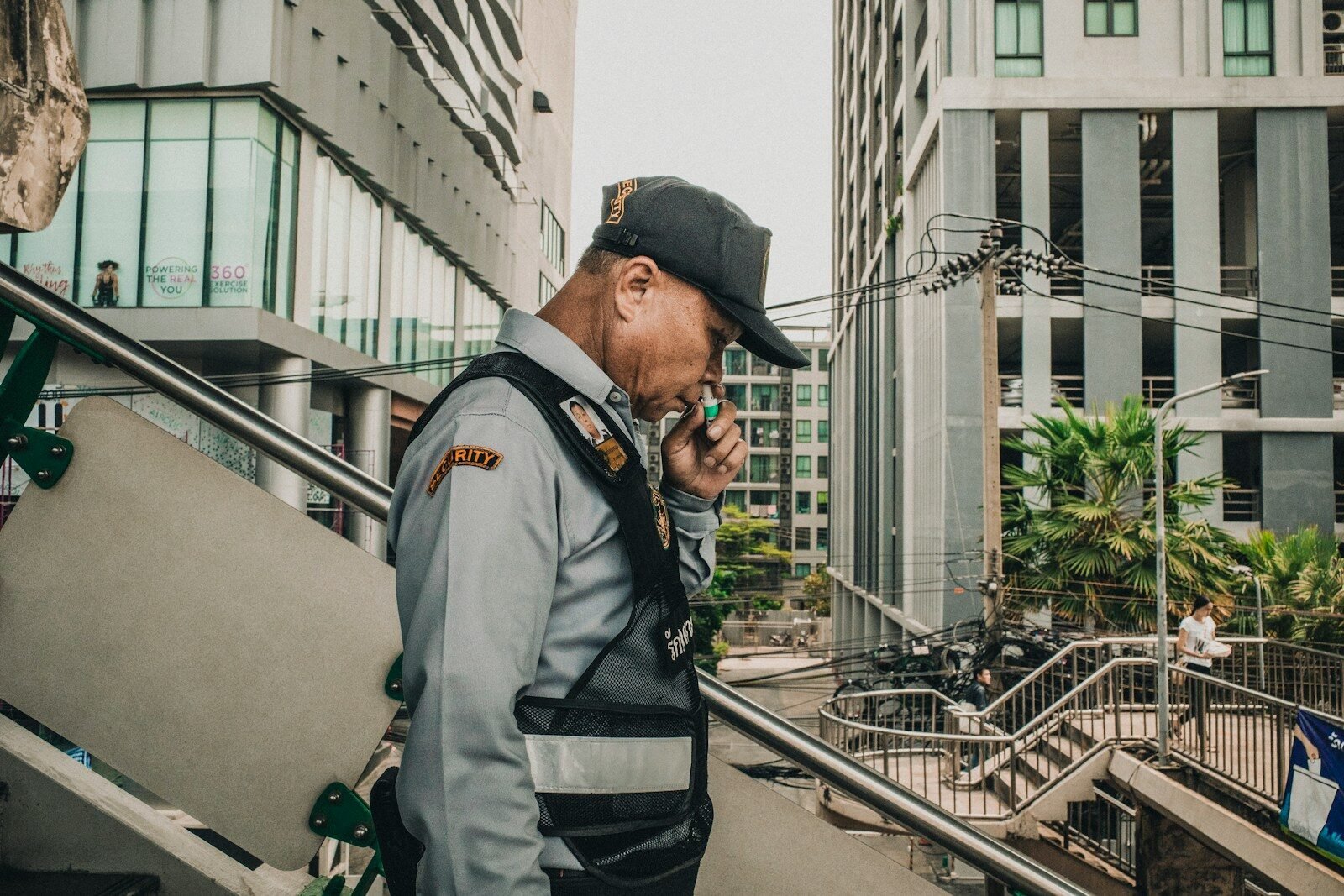
How to Prepare for Hiring a Personal Security Service
Hiring a personal guard or executive protection team is a major decision. Using personal security guard services involves more than simply making a phone call. It requires assessing your environment, understanding your risks, and choosing trained professionals who can match your specific needs. Taking time to prepare also helps the security team understand your expectations before protection begins.
Step 1: Identify Your Specific Security Needs
Before contacting a security team, clearly define why you need protection. Different situations require distinct approaches, levels of coverage, and guard skill sets. The protection needed for a public event may be different from the protection required during private travel or daily activities. Understanding your needs can help you choose the right personal security services for your situation.
Ask yourself these foundational questions:
- Do you need armed or unarmed protection? Your choice may depend on your specific risks, location, and applicable laws. Discuss your options with a licensed security provider.
- Is protection required 24/7 or only during specific events? Decide whether you need continuous coverage or protection during certain hours, meetings, trips, or public appearances.
- Will guards accompany you during travel or public outings? Consider whether you need protection at airports, hotels, offices, restaurants, events, or other locations.
- Do you prefer visible guards to deter threats, or discreet guards who blend into the background? Some clients prefer a visible security presence, while others value privacy and a less noticeable approach.
- Will family members or employees also require protection? Inform the security company if other people will be included in your protection plan.
- Will you need protection in multiple locations? Frequent business travel or events in different areas may require a company that can coordinate security coverage across locations.
Step 2: Conduct a Personal Risk Assessment
To provide effective protection, security professionals must understand the risks you face. Accurate information helps guards plan appropriate routes, identify potential concerns, and establish emergency procedures.
You do not need to perform a professional risk assessment yourself. Instead, prepare relevant information before your initial security consultation.
Gather details such as:
- Record any past threats, suspicious activities, or stalking incidents. Include unwanted contact, threatening messages, property damage, or other incidents that may be relevant to your safety.
- List your primary daily locations. Include your home, workplace, regular meeting locations, and places you frequently visit.
- Identify regular travel routes. Let the security team know how and where you normally travel. This can help them understand your daily movements and plan appropriate coverage.
- Identify high-risk events, large gatherings, or business trips. Upcoming conferences, public appearances, meetings, or large events may require additional planning.
- Mention important people involved in your routine. Family members, employees, business partners, or other regular contacts may need to be considered when creating the protection plan.
Step 3: Set Your Security Budget and Schedule
Costs for personal security services vary based on risk level, guard experience, number of personnel, location, and total coverage hours. Setting a clear budget helps narrow down your options and allows you to compare services more effectively.
Financial factors to consider:
- Hourly vs. Retainer Rates: Short-term event security may be billed by the hour, while ongoing protection may use daily, weekly, or monthly arrangements. Ask about overtime and additional charges before signing an agreement.
- Armed vs. Unarmed Guards: Armed personnel may require additional licensing, training, equipment, and legal requirements. The appropriate option should depend on your circumstances and local regulations.
- Number of Guards: Some situations may only require one guard, while larger events or more complex assignments may require multiple personnel.
- Equipment Needs: Complex operations may require secure transportation, communication equipment, access control support, or other security resources. Confirm whether these costs are included in the quoted price.
- Travel Costs: If guards will travel with you, discuss expenses such as transportation, accommodation, meals, mileage, and other travel-related costs in advance.
Step 4: Verify Licensing, Insurance, and Guard Credentials
Never compromise when evaluating credentials. Working with an unlicensed or unverified agency can create safety and legal concerns. Before hiring a provider, take time to confirm that the company and its guards meet the requirements that apply in your area.
Always verify the following during your agency search:
- Government Licensing: Confirm that the security company and its guards hold the licences required to provide security services in the relevant jurisdiction.
- Insurance Coverage: Ask whether the company carries appropriate liability insurance and workers’ compensation coverage. This can provide important protection if an incident occurs during the assignment.
- Background Vetting: Ask how guards are screened before being assigned to clients. Background checks and other required screening can help verify that personnel meet company and regulatory requirements.
- Training: Find out what type of training guards receive. Depending on the assignment, training may include emergency response, first aid, conflict management, communication, and close-protection procedures.
- Tactical Experience: Ask whether assigned personnel have experience relevant to your situation. For personal security guard services, travel security, or similar assignments may be useful.
Step 5: Establish Rules of Engagement and Expectations
Clear communication ensures a smooth relationship between you, your family, and your security team. Discuss boundaries and protocols before deployment so everyone understands their responsibilities.
- Privacy Expectations: Define boundaries regarding personal space, confidential business conversations, family routines, and private activities. If discretion is important, make this clear before the assignment begins.
- Communication Channels: Establish direct lines of contact between you, your primary guard, and the company’s operations or dispatch team. Decide how you will communicate during normal situations and emergencies.
- Emergency Action Plans: Review emergency procedures for situations such as medical emergencies, sudden evacuations, unwanted access, threatening behaviour, or other urgent situations.
- Schedule Changes: Discuss how changes to your daily schedule will be communicated. Last-minute meetings, travel changes, or additional stops may require the security team to adjust its plans.
- Responsibilities: Make sure you understand what the security team will handle and what is expected from you during an emergency or change in circumstances.
Conclusion
Preparing to hire personal security requires assessing risks, setting clear expectations, and verifying agency credentials. Taking these essential preparation steps can help your protection team integrate smoothly into your daily routine while addressing the risks relevant to your situation.
Choosing professional personal security guard services can also help ensure your protection needs are handled by trained personnel. A clear plan makes it easier to adjust security coverage when your needs change.
Black Panther Security provides custom threat assessments, executive protection, and professional security guards. Our trained personnel can develop security solutions based on your schedule, environment, and specific protection requirements.