Retail Security in Delta: How to Reduce Theft Risks
As one of the fastest-growing commercial and industrial hubs in the Lower Mainland, Delta, British Columbia, offers thriving business opportunities for retailers. From major shopping complexes in Tsawwassen to busy strip malls and commercial plazas in North Delta and Ladner, retail footprints are constantly expanding.
However, business growth brings significant operational challenges. Store managers and property owners across the region face rising rates of inventory shrinkage, organized retail crime, and internal policy breaches. Leaving merchandise unprotected directly threatens profit margins and customer safety.
Implementing strong, proactive security measures tailored to local commercial risks is essential. This guide outlines how store owners can reduce loss using professional retail security services and modern prevention techniques.
Addressing External Threats: Curbing Shoplifting in Delta Retail Stores
External theft remains one of the primary drivers of inventory loss for merchants. While casual shoplifters look for unmonitored aisles or distracted clerks, organized theft rings target high-value goods like electronics, designer clothing, over-the-counter medicine, and power tools.
Strategies to Prevent Shoplifting
To protect store inventory without negatively affecting the shopping experience, retailers should apply a combination of physical and visual defenses:
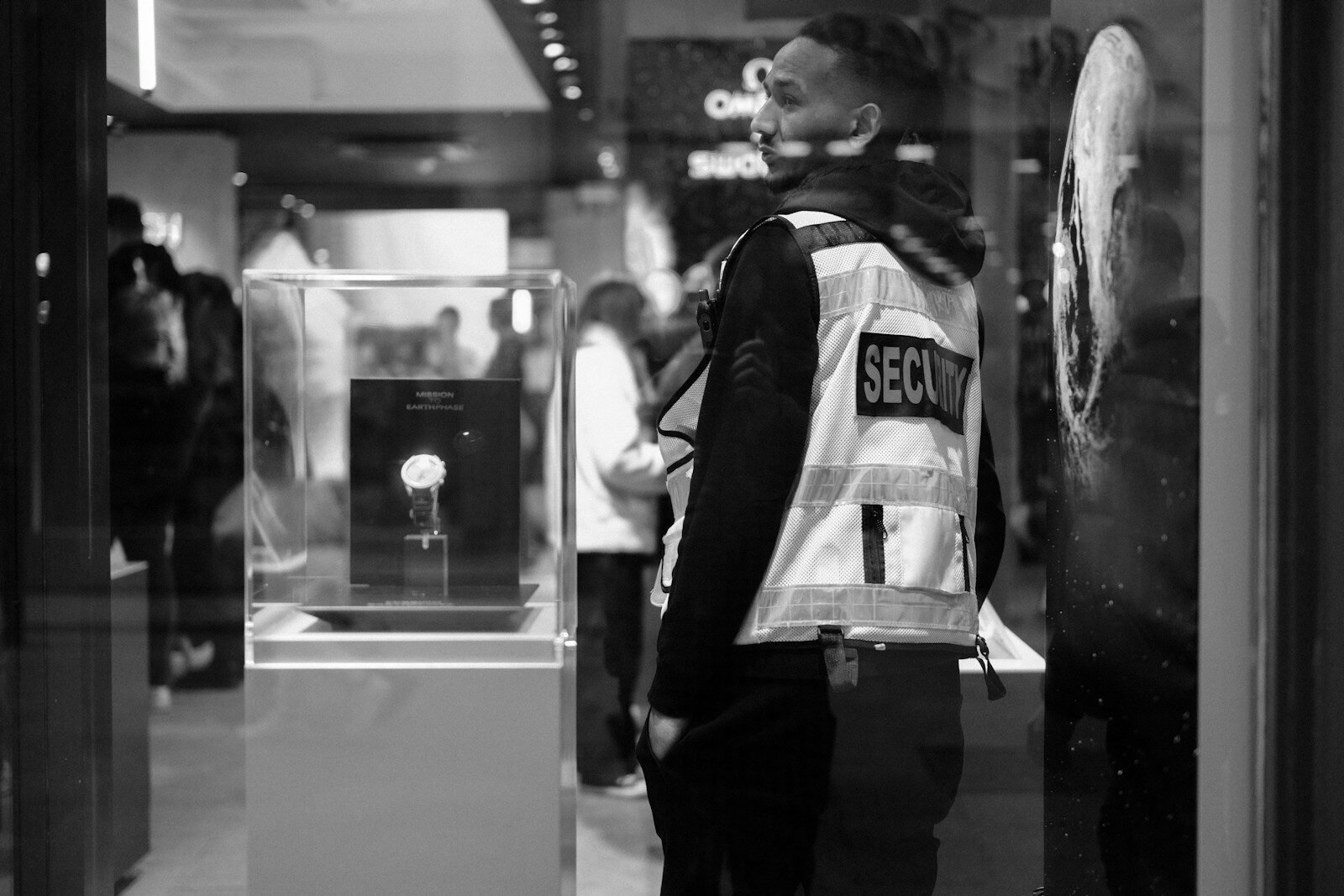
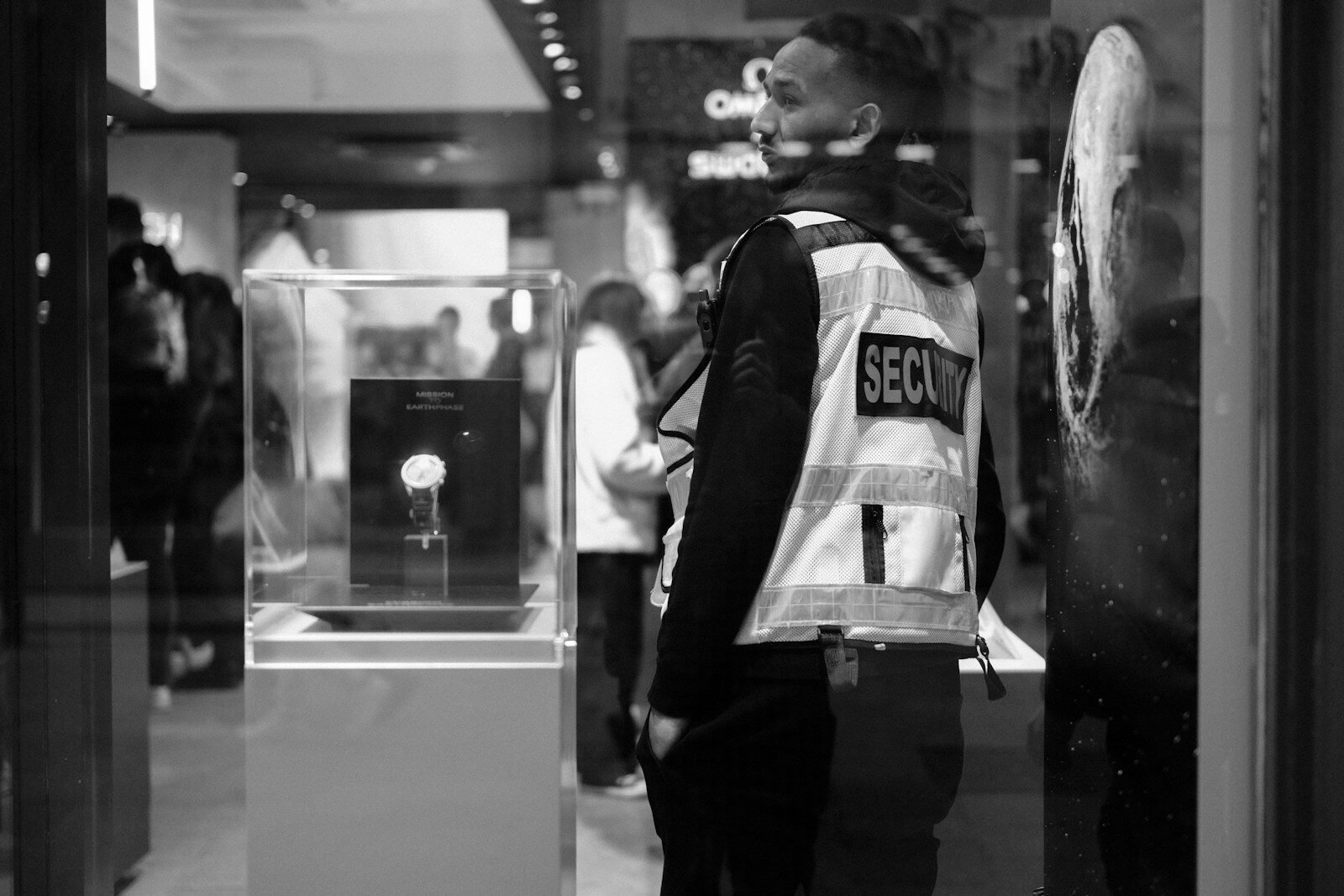
- Visible Uniformed Presence: Stationing security personnel at primary store entrances and exits creates an immediate physical barrier that deters casual and professional thieves.
- Customer Service Engagement: Training sales staff to greet every customer as they enter makes shoppers feel welcomed while signaling to potential shoplifters that the sales floor is actively monitored.
- Strategic Floor Layouts: Lowering display shelf heights, eliminating blind spots, and installing security mirrors in dark corners make it much harder for thieves to conceal items unnoticed.
- Electronic Article Surveillance (EAS): Securing high-value merchandise with RFID tags or benefit-denial ink tags ensures store alarms sound if an item moves past entrance pedestals without being paid for.
Managing Internal Vulnerabilities: Combatting Employee Theft
While external shoplifters draw the most public attention, internal shrinkage is equally damaging to a business’s bottom line. Dishonest employees often have direct knowledge of store blind spots, inventory counts, and register procedures, making internal theft harder to catch without strict administrative controls.
Minimizing Internal Inventory Loss
Retailers can safeguard inventory and financial registers against internal theft by enforcing strict operational oversight:
- POS Register Exception Monitoring: Linking cash registers directly to video surveillance feeds allows managers to flag unusual activity, such as unauthorized discounts, voided transactions, or open cash drawers without a sale.
- Dual-Control Inventory Protocols: Requiring two employees or a manager to sign off on stock deliveries, trash removal, and high-value inventory transfers minimizes opportunities for unauthorized stock removal.
- Secure Access Control for Stockrooms: Restricting stockroom access using keycards, smart key fobs, or biometric scanners creates a clear digital audit log showing who accessed backroom inventory and when.
Perimeter Protection: Deploying Mobile Security Patrol Services
Retail security needs do not end when store doors lock at closing time. Strip malls, standalone storefronts, and outdoor shopping plazas across Delta remain vulnerable to late-night break-ins, property vandalism, illegal dumping, and window smash-and-grab incidents.
The Value of Mobile Security Patrols
Investing in a mobile security patrol delivers flexible, cost-effective night protection for retail properties:
- Unpredictable Perimeter Checks: Mobile patrol officers arrive in marked security vehicles at randomized intervals during off-hours, making it difficult for intruders to predict patrol routines.
- Physical Property Inspection: Patrol guards check exterior doors, window glass, padlocks, perimeter lighting, and emergency exits to ensure the premises stay completely secure overnight.
- Immediate Alarm Response: If a glass-break or motion alarm goes off, a mobile patrol unit responds immediately to secure the perimeter, inspect for damage, and hold the site until local police arrive.
Building a Complete Plan with Retail Security Services
Protecting a retail establishment requires moving away from piecemeal solutions and adopting a multi-layered defense strategy. Partnering with an experienced security provider ensures your business receives customized protection based on your specific location and threat profile.
Benefits of Specialized Retail Security Delta BC
Choosing professional retail security in Delta BC provides several key advantages:
- Trained Security Officers: Deploying guards trained in threat de-escalation, customer service, emergency first aid, and provincial legal regulations.
- Tailored Security Assessments: Conducting site evaluations to identify perimeter weak points, camera blind spots, and high-risk inventory display zones.
- Improved Safety for Staff and Shoppers: Creating a safe environment where store employees feel protected while working late shifts and customers enjoy a safe shopping experience.
Retail Theft Reduction Checklist
Use this quick checklist to review your store’s security posture:
- Inspect exterior windows, doors, and rear loading docks to ensure all physical locks and deadbolts work properly.
- Audit store lighting to eliminate dark areas around building perimeters, entry doors, and parking lots.
- Train retail staff on basic threat awareness, customer greeting techniques, and de-escalation protocols.
- Install high-definition security cameras covering entrance points, cash registers, high-value displays, and stockrooms.
- Schedule regular mobile security patrol visits during overnight hours to secure the property perimeter.
Conclusion
Protecting your business against inventory loss requires a proactive approach that addresses external threats, internal vulnerabilities, and after-hours property hazards. By combining smart store layouts, clear staff procedures, and professional retail security services, merchants across Delta can protect their inventory, safeguard employees, and maintain strong profit margins.
Investing in retail security in Delta BC ensures your store remains a safe, welcoming, and profitable space for the local community.
Frequently Asked Questions (FAQs)
1. What are the most common causes of retail loss in Delta, BC?
The primary drivers of retail loss are external shoplifters, internal employee theft, administrative miscounts, organized crime rings, and property damage from break-ins.
2. How does a visible security guard prevent shoplifting?
A uniformed security guard acts as a direct physical and psychological barrier. Potential thieves recognize that the floor is actively monitored, which deters both casual shoplifters and organized retail crime groups.
3. Why should small retail stores consider a mobile security patrol?
Mobile patrols offer an affordable security option for businesses that do not require a full-time, stationary guard overnight. Patrol officers perform randomized site checks, inspect locks, and respond quickly to intrusion alarms.
4. How can store owners prevent internal employee theft?
Internal theft can be reduced by restricting stockroom access, linking cash register transactions to camera feeds, conducting regular inventory audits, and requiring double-signature sign-offs on high-value stock transfers.