AI Security Cameras vs Traditional CCTV: What’s Better?
Business owners constantly look for effective ways to protect physical assets, employees, and inventory. For decades, traditional Closed-Circuit Television (CCTV) systems served as the primary tool for workplace monitoring. However, standard video recording is changing rapidly.
With advancements in machine learning, AI CCTV cameras are transforming passive security setups into defense networks.
AI-powered systems can detect suspicious activity, reduce false alarms, and notify security teams in real time. This enables faster decision-making, minimizes potential losses, and enhances workplace safety. Understanding the differences between traditional monitoring and modern AI-powered surveillance helps business owners choose the right protective setup.
What Is Traditional CCTV?
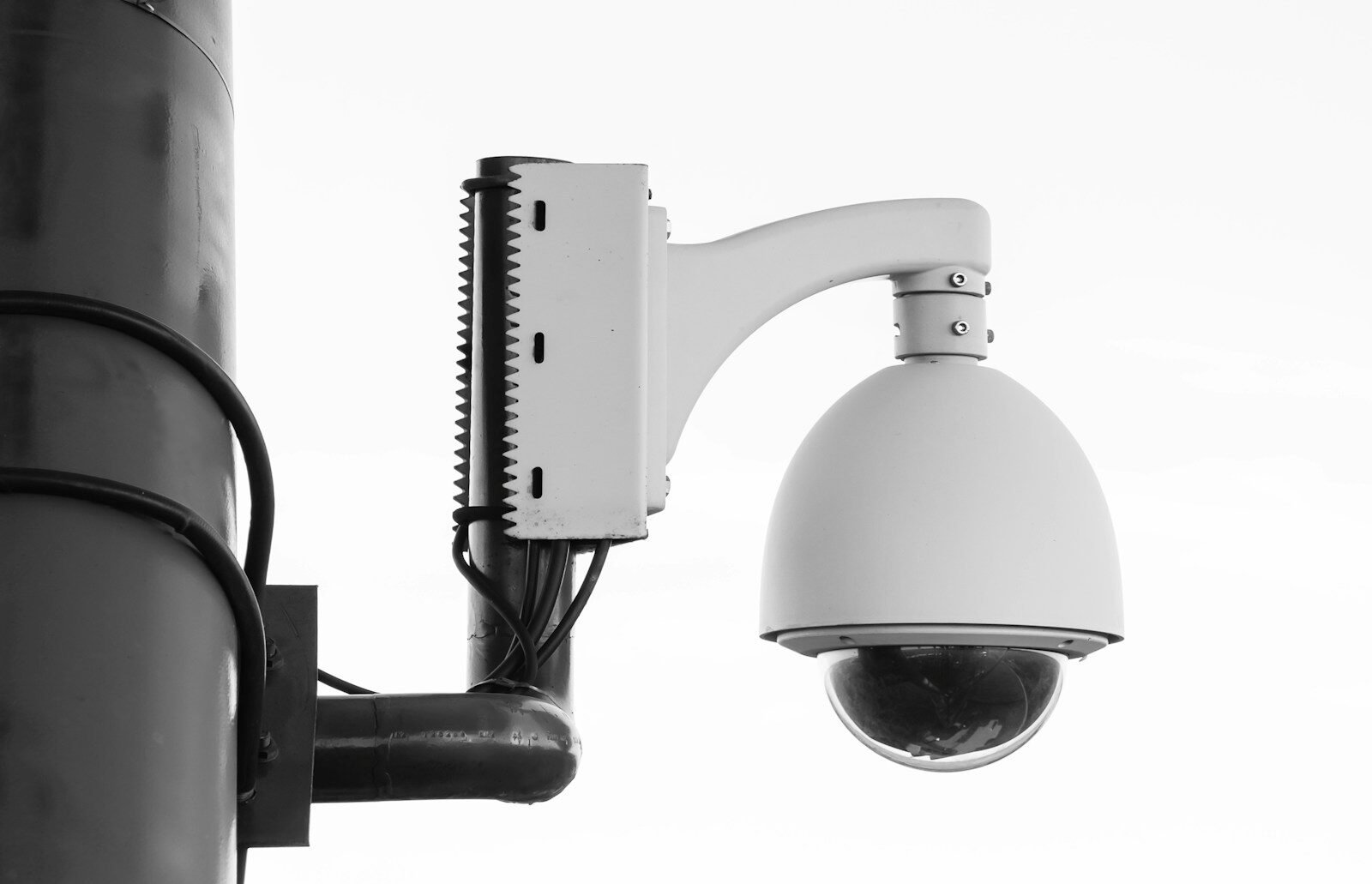
Traditional CCTV relies on analog or standard IP cameras connected to a central recording hub, such as a Digital Video Recorder (DVR) or Network Video Recorder (NVR). These systems have been widely used for decades to monitor homes, businesses, warehouses, and public spaces. They provide continuous video recording, allowing property owners to review footage whenever an incident occurs.
Although traditional CCTV systems offer reliable surveillance, they primarily serve as a reactive security solution. Their effectiveness often depends on someone actively monitoring the cameras or reviewing recorded footage after an event has already taken place. As a result, many organizations are now adopting more advanced security solutions for businesses that provide real-time monitoring, faster threat detection, and quicker incident response.
These systems capture continuous video footage across designated zones. Their primary functions include:
- Passive Recording: Saving continuous video feeds to local drives or cloud servers.
- Forensic Evidence: Providing historical video footage after a break-in, theft, or property dispute occurs.
- Basic Motion Detection: Triggering simple alerts based on pixel movement across a camera’s field of view.
While traditional cameras document events reliably, they require constant human monitoring to catch threats in real time.
What Are AI Security Cameras?
AI security cameras combine high-definition video capture with onboard computer vision and deep learning algorithms. Instead of merely recording raw visual data, AI video surveillance for businesses analyzes video streams in real time. This enables security teams to identify and respond to threats much faster.
Unlike conventional systems, AI CCTV cameras can distinguish between routine activity and suspicious behavior. This reduces false alarms caused by moving shadows, weather conditions, or animals, allowing security personnel to focus on genuine security risks and improve response times.
These intelligent cameras recognize specific shapes, track movements, analyze facial features, and identify unusual behaviors without needing human intervention. Key features include:
- Object Classification: Differentiating between human beings, animals, vehicles, and inanimate objects.
- Facial & License Plate Recognition: Identifying authorized staff, flagged individuals, and vehicle license numbers instantly.
- Behavioral Analytics: Detecting loitering, unattended packages, line-crossing, or sudden crowd gatherings.
- Instant Threat Alerts: Sending push notifications to security teams the moment suspicious activity occurs.
Advantages of AI Security Cameras for Businesses
- Eliminating False Alarm Fatigue
Standard motion sensors trigger alerts whenever pixels change on screen, whether from blowing leaves, shadows, passing insects, or rain. Over time, frequent false alarms lead to security fatigue. AI algorithms eliminate up to 90% of false notifications by identifying exact human and vehicle signatures before firing an alarm. This ensures that security teams stay focused and only respond to high-priority threats.
- Turning Passive Footage into Real-Time Prevention
Traditional cameras document crimes as they happen, leaving business owners with clear footage of losses after the fact. AI-powered surveillance actively detects unauthorized perimeter access, loitering, or forced entry attempts immediately, enabling swift guard dispatch or automated deterrence measures (such as flashing strobe lights or two-way audio warnings). By intervening while an incident is occurring, businesses can prevent damage before severe financial losses take place.
- Rapid Forensic Video Search
Locating a specific incident on standard CCTV often requires staff to review hours of recorded video. AI video management systems index visual elements automatically. Security personnel can search video archives by typing simple descriptions and receive matching clips in seconds. This drastically accelerates post-incident investigations and saves valuable administrative hours.
- Operational & Business Intelligence
AI cameras do more than protect assets; they provide valuable operational metrics through advanced AI video surveillance for businesses. Retail stores use heat mapping to identify popular product displays, track customer dwell times, and analyze foot traffic patterns. Warehouses use AI vision to monitor safety compliance, verifying that workers wear personal protective equipment (PPE) like hard hats and safety vests in high-risk zones. These data-driven insights allow management to streamline daily site workflows and improve safety standards simultaneously.
- Lower Long-Term Operational Costs
While initial equipment costs for AI cameras are higher than basic analog systems, AI reduces total operational expenses over time. By reducing false alarm dispatch fees, automating perimeter checks, and optimizing guard patrol schedules, businesses achieve a stronger return on investment. Over time, the reduction in physical losses and increased operational efficiency easily offset the upfront hardware upgrade.
Conclusion
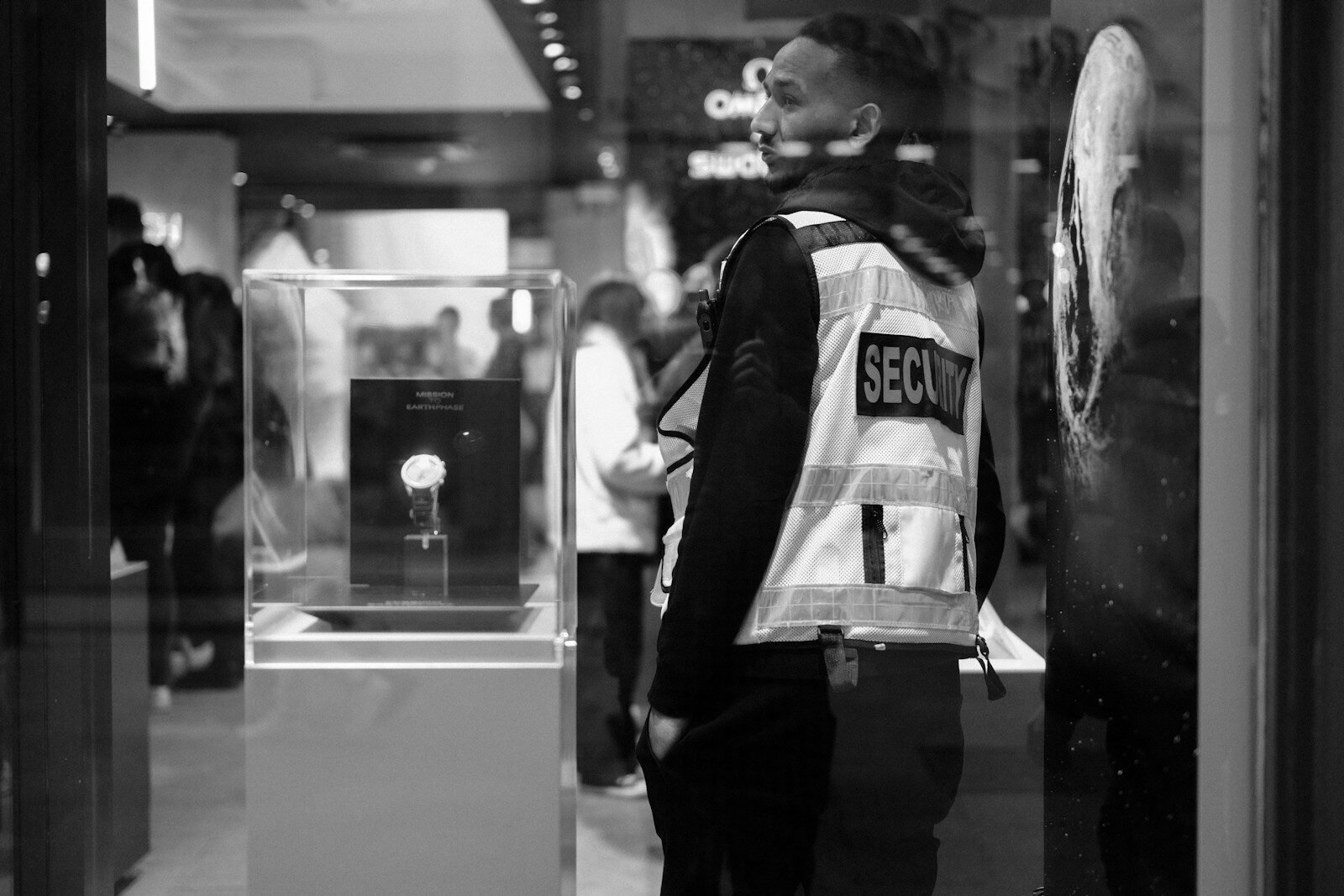
While artificial intelligence offers unmatched analytical speed, technology alone cannot physically stop an active intruder or manage complex site emergencies. The most effective security solutions combine AI-powered surveillance with professionally trained security personnel.
Traditional CCTV systems remain a budget-friendly choice for small, low-risk setups that only require basic video record-keeping. However, for commercial facilities, industrial yards, high-value retail stores, and expanding enterprises, AI security cameras offer far superior protection.
Black Panther Security delivers tailored corporate protection services. Our licensed officers manage site access, execute mobile patrols, oversee surveillance monitoring, and deliver rapid emergency response. This ensures your physical location remains protected around the clock.
AI CCTV cameras transform passive recording into an active security asset. Upgrading to an intelligent video network allows businesses to prevent losses before they occur while maintaining complete visibility over their operations.
Frequently Asked Questions (FAQs)
1. Can existing traditional CCTV cameras be upgraded to AI cameras?
Yes. Many businesses do not need to replace every camera on site. You can add AI video analytics software, intelligent Network Video Recorders (NVRs), or cloud edge devices to process video streams from existing standard cameras into smart AI feeds.
2. Are AI security cameras difficult to maintain and operate?
No. Modern AI video management software features intuitive user interfaces designed for easy navigation. System administrators can customize alert thresholds, view live camera maps, and receive mobile push notifications without needing specialized IT expertise.
3. How do AI security cameras handle low-light or nighttime conditions?
Most modern AI cameras pair infrared (IR) or thermal sensors with low-light color imaging technology. The underlying artificial intelligence processes high-contrast thermal and low-light visual data effectively. This enables accurate detection of humans and vehicles even in total darkness and delivers comprehensive security solutions for businesses.
4. Do AI cameras pose privacy risks for employees and customers?
When implemented correctly, AI surveillance respects privacy regulations. System administrators can configure masking zones to obscure private areas, disable facial recognition features, and anonymize collected foot-traffic data to maintain compliance with local data protection laws.
5. How does AI video surveillance reduce security costs?
AI reduces security costs by eliminating false-alarm penalties for local police, reducing manual video-review labor hours, preventing inventory theft through real-time alerts, and optimizing physical guard deployment across sites.