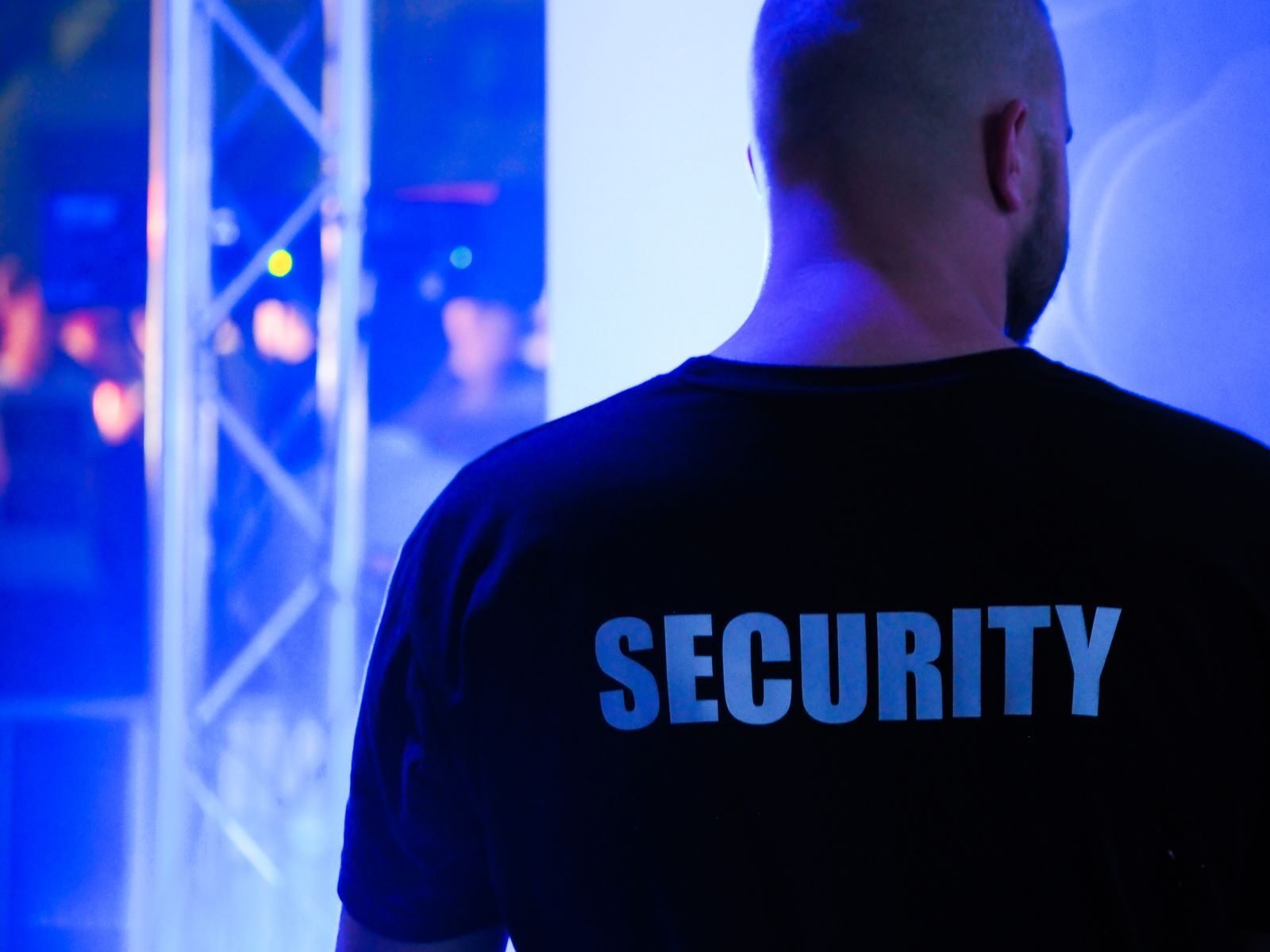
Can Private Security Reduce Campus Crime?
Ensuring student safety across educational institutions is a top priority for university administrators and campus planners. Post-secondary campuses operate like small cities, featuring residence halls, research facilities, dining halls, parking structures, and public transit hubs. This open layout makes higher education campuses vulnerable to property theft, trespass, vandalism, and personal safety hazards.
While campus administrators rely on local law enforcement for major emergencies, public police forces cannot provide continuous, static monitoring across every campus building and walkway. This creates a critical operational question: can deploying dedicated private safety personnel effectively lower campus crime rates?
Research and practical campus management show that proactive physical security deters criminal activity, shortens emergency response times, and builds a safer academic community. Here is how professional safety teams help suppress crime across post-secondary institutions.
1. Creating Visible Deterrence Across Campus Grounds
The presence of trained, uniformed personnel is one of the most effective ways to prevent opportunistic crime. Trespassers, bicycle thieves, and property vandals generally avoid target areas that feature active physical patrols.
High-Visibility Patrol Coverage
Deploying dedicated guards changes the physical dynamic of campus spaces:
- Foot and Bike Patrols: Uniformed officers patrolling open quadrangles, libraries, and student unions reduce thefts of unattended laptops, backpacks, and personal items.
- Parkade and Transit Checks: Multi-level parking structures and transit stations are common hotspots for vehicle break-ins. Regular foot and vehicle checks discourage auto crime and property damage.
- Nighttime Perimeter Security: Active patrols along poorly lit pathways, athletic fields, and building perimeters keep unauthorized individuals off campus grounds after hours.
Contracting certified private security services Vancouver allows post-secondary institutions to maintain an active physical presence across high-risk campus zones day and night.
2. Preventing Unauthorized Access to Academic Facilities
Colleges and universities house specialized research laboratories, computer labs, server rooms, and administrative archives containing high-value equipment and sensitive data. Unrestricted entry invites property loss and data compromise.
Access Control and Facility Oversight
Security personnel enforce strict boundary management across campus facilities:
- Credential Verification: Stationing guards at building entrances ensures only authorized students, faculty, and registered guests access research facilities and dormitories.
- After-Hours Building Lock-Ups: Security teams conduct evening sweeps to ensure exterior doors are locked, window latches are secured, and emergency exits remain clear.
- Immediate Intrusion Response: On-site officers respond instantly to door alarms, glass-break sensors, and unauthorized access alerts before significant damage occurs.
Deploying trained campus security guards in BC ensures that sensitive research hubs and student living facilities remain protected against unauthorized intrusion.
3. Supporting Student Safety and Escort Programs
Safety involves more than preventing property theft; it requires ensuring that students, faculty, and evening staff feel secure when moving around campus after dark.
Community Safety and Student Support
On-site personnel contribute directly to a positive, reassuring campus environment:
- Safe Walk Programs: Escorting students, night-shift staff, and professors safely from evening classes to their vehicles, dorms, or bus stops reduces personal safety risks.
- Rapid First Aid and Medical Support: Security guards trained in emergency first aid and CPR serve as vital first responders during medical emergencies before municipal paramedics arrive.
- De-Escalation and Crowd Management: Trained officers resolve roommate disputes, manage campus event crowds, and de-escalate tense public situations without relying immediately on police intervention.
4. Shortening Incident Response Times
When an emergency, theft, or physical threat occurs on a vast campus, every second counts. Relying exclusively on off-site police response can lead to delays during peak urban traffic hours.
On-Site Incident Management
Dedicated campus security personnel provide immediate local coverage:
- Direct On-Scene Arrival: On-site guards arrive at incident locations within minutes, securing the area and providing real-time updates to emergency dispatchers.
- First Responder Coordination: Security teams guide police vehicles, fire trucks, and ambulances directly through campus roadways to the exact building or room needed.
- Detailed Incident Logging: Security officers document all activities with digital photo logs, time-stamped incident reports, and witness statements to assist ongoing police investigations.
Campus Safety Checklist: Evaluating Security Needs
- Are campus parking garages and outer transit hubs checked regularly by physical patrols?
- Do evening students and faculty have access to a dedicated late-night walk escort service?
- Are research laboratories, computer centers, and server rooms secured by card access and guard oversight?
- Is there an on-site team available to respond instantly to building alarms and emergency call boxes?
- Do security personnel receive specialized training in student de-escalation and emergency first aid?
Conclusion
Private security plays a proven role in suppressing campus crime and protecting educational environments. By combining visible perimeter deterrence, strict facility access control, student escort services, and rapid emergency response, security teams prevent property loss and enhance personal safety.
Deploying dedicated safety personnel allows universities and colleges to maintain open academic settings while actively suppressing property crime and safety hazards. Partnering with professional providers of private security services in Vancouver and certified campus security guards in BC creates a safer, more resilient environment where students and faculty can thrive.
Frequently Asked Questions (FAQs)
1. Can private security personnel make arrests on campus?
Private security guards generally hold standard citizen arrest powers under local laws. Their primary role focuses on crime prevention, access control, de-escalation, and holding suspects until local police arrive.
2. How do security guards improve student peace of mind?
Visible, approachable security guards provide a reassuring presence, assist with directions, offer late-night escorts, and ensure help is always nearby during unexpected emergencies.
3. What is the difference between campus security guards and police officers?
Campus security guards focus on physical crime prevention, access control, facility protection, and student assistance. Municipal police handle formal criminal investigations, enforce laws, and carry firearms.
4. How can universities balance open learning environments with security?
Institutions balance openness and safety by keeping public areas like libraries accessible while using keycard access, concierge guards, and unobtrusive patrols for sensitive facilities and dormitories.