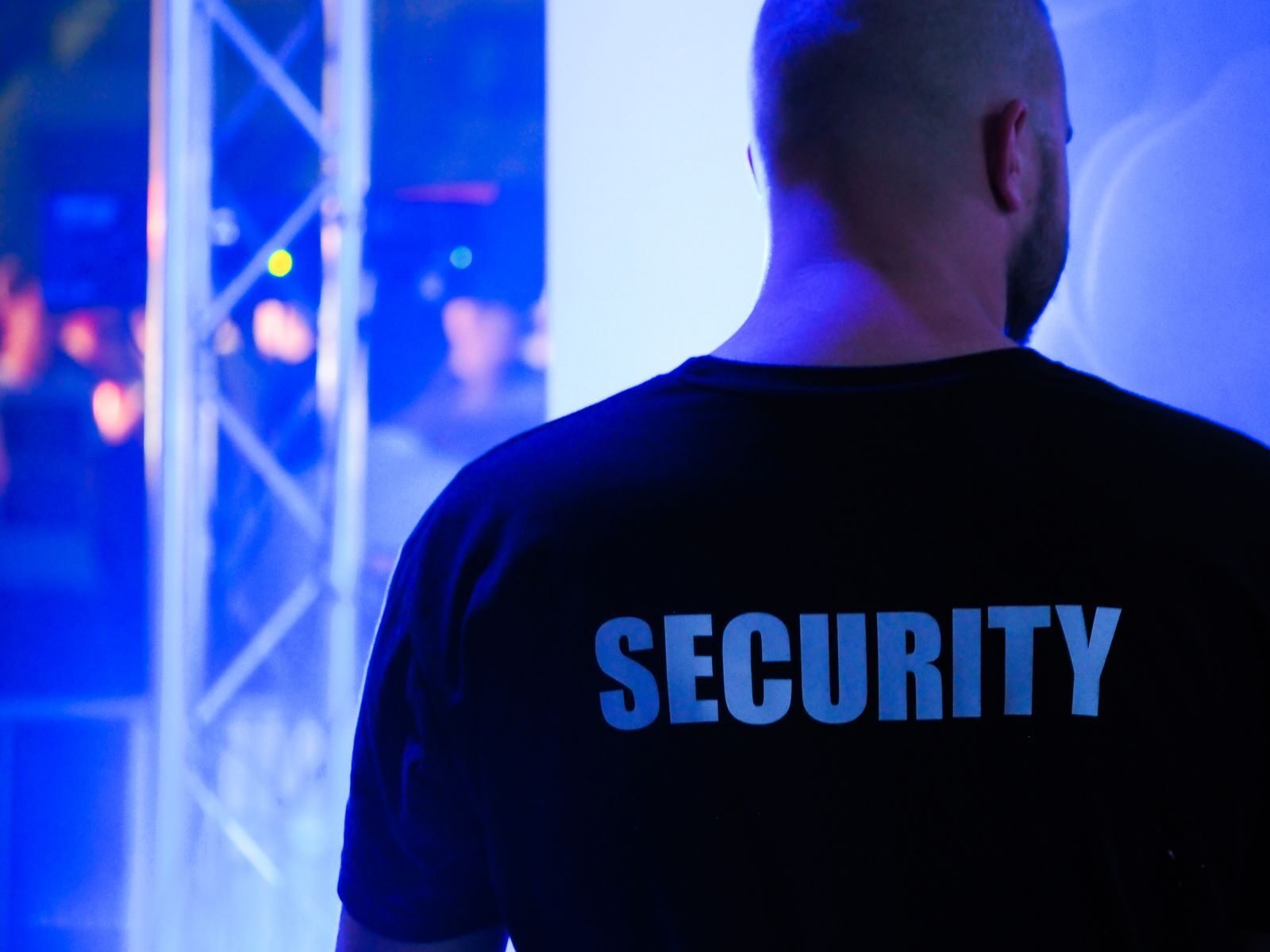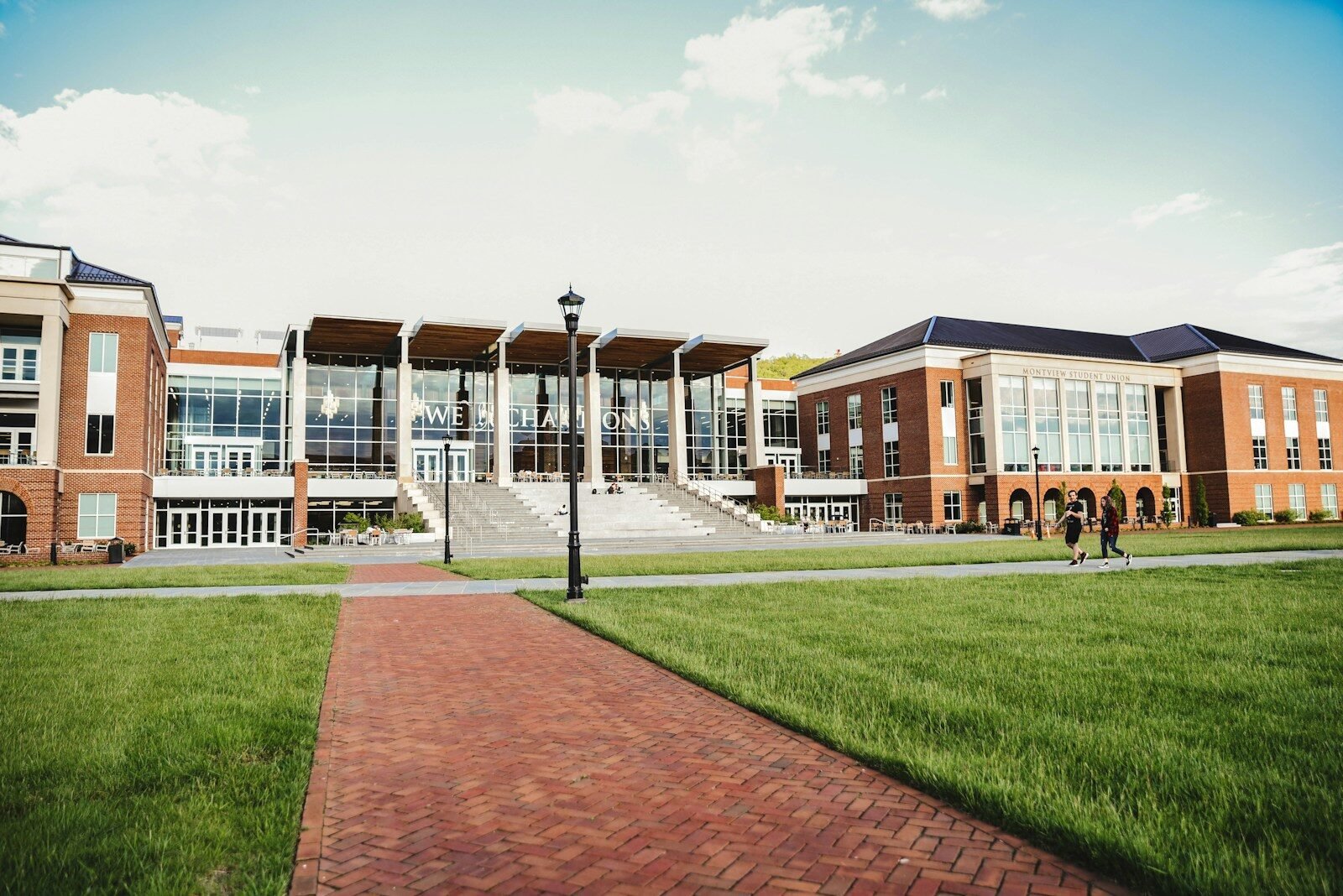
Private Security for Colleges and Universities in Vancouver
Managing safety across post-secondary campuses in Metro Vancouver involves balancing open, welcoming learning environments with proactive risk management. From sprawling university grounds in Point Grey and Burnaby to urban college facilities in Downtown Vancouver, higher education institutions face diverse operational challenges.
Colleges and universities host thousands of students, faculty members, researchers, and visitors daily. Safeguarding campus populations, valuable research equipment, and residential housing requires dedicated strategies.
Implementing comprehensive university security services Vancouver allows institutions to mitigate risks, handle emergencies efficiently, and maintain a secure atmosphere for academic success.
Protecting Campus Facilities and High-Value Assets
Modern post-secondary campuses feature complex physical footprints, including multi-story lecture halls, advanced research laboratories, libraries, administrative suites, and recreational centers. Unrestricted access to these spaces creates security vulnerabilities.
Asset and Facility Defense
Educational institutions house specialized equipment, sensitive data, and valuable intellectual property:
- Access Control Management: Keycard readers and credential verification prevent unauthorized entry into high-risk areas, such as server rooms, chemical labs, and research archives.
- Property Theft Deterrence: Stationing trained personnel in high-traffic facilities deters theft of university hardware, personal electronics, and library resources.
- After-Hours Building Security: Security personnel verify that exterior doors, windows, and administrative suites are properly secured after daily classes conclude.
Deploying tailored private security services Vancouver protects institutional property while ensuring that authorized staff and students access facilities without friction.
Enhancing Student Housing and Residential Safety
Campus dormitories and student residences require continuous safety oversight. Student housing operates twenty-four hours a day, presenting unique access control and community safety demands.
Residential Protection Protocols
Safeguarding student housing involves proactive monitoring and supportive community interaction:
- Front-Desk Concierge Services: Security officers manage residential lobbies, verify visitor credentials, register guests, and prevent unauthorized entrance into living quarters.
- Overnight Floor Patrols: Scheduled foot patrols across residential hallways, common lounges, and laundry rooms reduce noise complaints, prevent vandalism, and deter trespassing.
- Emergency Assistance: Stationed personnel provide immediate, on-site support during medical emergencies, fire alarms, or physical safety concerns.
Deploying professional security guards for universities Vancouver in residential communities creates a reassuring environment for students living away from home.
Parking Structure and Campus Perimeter Monitoring
Expansive outdoor walkways, isolated green spaces, and multi-level parking structures present major physical security challenges across Vancouver campuses, particularly during late evening hours.
Perimeter Defense and Escort Services
Securing outdoor zones requires active physical presence and mobile surveillance:
- Parkade Patrols: Regular vehicle and foot checks in campus parking garages reduce auto theft, vehicle break-ins, and property damage.
- Safe Walk Escorts: Security personnel provide safe physical escorts for students, faculty, and evening staff walking between classrooms, transit hubs, and parking lots after dark.
- Visible Deterrence: Uniformed patrols across dark pathways and exterior grounds discourage loitering, trespassing, and illicit activity.
Combining roving patrols with electronic surveillance ensures that outer campus perimeters remain well-monitored throughout the day and night.
Event Management and Crowd Control
Colleges and universities regularly host major events, including athletic competitions, academic conferences, guest lectures, political rallies, and graduation ceremonies. Managing large crowds requires specialized safety protocols.
Managing Large Campus Events
Event security balances public safety with smooth crowd management:
- Entry Screening and Credentialing: Guards check tickets, inspect bags, and manage queue lines to ensure orderly entry at venues.
- Conflict De-Escalation: Trained personnel resolve seating disputes, de-escalate verbal arguments, and manage disruptive behavior professionally.
- Emergency Evacuation Readiness: Security teams coordinate emergency exit plans, manage foot traffic flow, and clear pathways for emergency responders if needed.
Post-Secondary Safety Checklist: Evaluating Campus Needs
- Does your institution require keycard access control and guard oversight for specialized research laboratories?
- Are campus residential halls staffed with front-desk personnel to log guests and verify identities?
- Do evening students and faculty have access to dedicated safe walk escort services across campus grounds?
- Are multi-level parking structures regularly checked by roving physical patrols?
- Is there an established incident response protocol for large-scale campus events and gatherings?
Conclusion
Securing post-secondary educational institutions requires an adaptable safety framework tailored to open, vibrant academic settings. Relying solely on electronic locks or unmonitored surveillance leaves staff, students, and research assets vulnerable.
By addressing vulnerabilities across academic buildings, student dormitories, parking facilities, and campus events, institutions foster a safe learning environment. Partnering with a professional provider of university security services Vancouver ensures reliable protection, certified security guards for universities Vancouver, and comprehensive private security services Vancouver year-round.
Frequently Asked Questions (FAQs)
1. How do private security guards interact with campus populations?
Professional campus guards focus on customer service, conflict de-escalation, and approachable assistance. They assist students with wayfinding, provide safe walk escorts, and offer supportive help during non-emergency situations.
2. What qualifications should campus security personnel hold?
Security officers working in educational environments should hold provincial security licenses, Advanced First Aid certifications, mental health awareness training, and specialized conflict de-escalation skills.
3. Can security services be adjusted for summer and semester breaks?
Yes. Post-secondary security plans are highly scalable. Coverage can shift from high-density student management during active semesters to facility protection and perimeter patrols during academic breaks.
4. How do security guards assist during campus emergencies?
Guard teams serve as initial on-site responders during emergencies. They manage building evacuations, provide immediate first aid, guide emergency vehicles, and communicate directly with local emergency services.